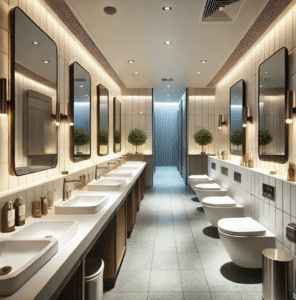
Your restaurant’s bathroom often serves as the unsung hero—or sometimes, villain—of customer experience. While the dining area sets the mood, the restroom seals the deal. A clean, well-maintained bathroom signals professionalism, attention to detail, and respect for guests. On the flip side, a shabby bathroom can ruin even the best meal, negatively impacting reviews and repeat business. In Weatherford, TX—where family values, community pride, and local charm matter—ensuring your restaurant’s bathrooms meet high standards is essential.
This article dives into specific signs your establishment needs a bathroom remodel, explains why each issue matters, and offers guidance on creating a refreshed restroom that supports your brand reputation, hygiene compliance, and guest satisfaction. Links to reputable sources are embedded to help you go deeper. Let’s elevate your restaurant’s restrooms from “necessary” to “noteworthy.” 🧼
1. Outdated or Damaged Fixtures
Worn-Out Toilets & Sinks
-
Problem: Cracks, chips, or constantly leaking fixtures not only look unappealing—they waste water, risk sanitation issues, and can drive up your utility bills.
-
Why it matters: Aging fixtures are prone to continuous problems, damaging subsurface flooring and walls.
-
What to do: Upgrade with efficient commercial-grade toilets and sinks. Replace flappers or consider low-flow models to save water and enhance performance.
Rusted Hardware & Leaky Faucets
-
Problem: Faucets with leaks, deteriorating handles, and decayed hardware detract from your bathroom’s appearance and may invite bacterial growth.
-
Why it matters: Persistent leaks damage countertops, cabinets, and floors—opening the door to costly mold remediation.
-
What to do: Swap deteriorated handles for modern finishes like brushed nickel or stainless steel. Installing LED indicator faucets not only looks sleek—it conserves water too.
2. Poor Layout & Accessibility Compliance
Crowded or Inefficient Layout
-
Problem: Restrooms that feel cramped or illogical in layout leave guests frustrated—especially parents with strollers or customers with mobility devices.
-
Why it matters: Inefficient layouts slow down traffic, induce discomfort, and may even deter guests—especially during peak hours.
-
What to do: Reconfigure floor plans to allow adequate space around fixtures. Incorporate ADA-compliant grab bars, accessible counters, and turning radius per Americans with Disabilities Act guidelines ♿.
Non-Compliance with ADA Standards
-
Problem: Missing features like grab bars, low sink heights, or narrow stall doors can put your business at legal risk.
-
Why it matters: ADA violations can lead to lawsuits, penalties, and negative press. Plus, being accessible shows respect to everyone.
-
What to do: Ensure sidewalks, doorways, and turning spaces meet ADA standards. Grab bars should be 33–36″ above the floor, and stall doors at least 32″ wide—check the ADA Standards for Accessible Design for specifics.
3. Cracked or Moldy Walls & Floors
Deteriorating Tiles & Grout
-
Problem: Cracked tiles and stained grout not only look unclean—they allow moisture to seep, triggering mold and mildew.
-
Why it matters: Moist environments degrade building structures over time and pose health risks.
-
What to do: Remove and replace damaged tiles. Seal grout with an anti-mildew solution. Consider opting for porcelain tiles, renowned for durability and stain resistance.
Visible Mold or Mildew
-
Problem: Black or green discolorations in corners, walls, ceilings, or under fixtures scream neglect—and are health hazards too.
-
Why it matters: Exposure to mold can cause respiratory issues for staff and customers. It’s also a red flag to health inspectors.
-
What to do: Handle mold removal with care—use professional-grade cleaning solutions or hire a remediation specialist. Then, integrate moisture-resistant drywall and install adequate ventilation to prevent future growth.
4. Poor Ventilation & Odor Control
Lingering or Strong Odors
-
Problem: Foul or lingering odors signal poor ventilation, plumbing issues, or lack of airflow.
-
Why it matters: Bad smells disrupt a positive dining environment and can be reported in health inspections.
-
What to do: Consider installing a restaurant-grade exhaust fan in the toilet area and invest in plumbing vents. Use neutralizing air fresheners or gel dispensers designed for high-traffic bathrooms.
Fogged Mirrors & Excess Humidity
-
Problem: Constantly foggy mirrors after showers or sink use highlight inadequate airflow—common in older bathrooms without proper venting.
-
Why it matters: Excess humidity encourages mildew, peeling paint, and conductivity on metal surfaces.
-
What to do: Upgrade to an exhaust fan rated for your restroom’s size. The EPA recommends improving indoor air quality through better ventilation.
5. Outdated Design & Aesthetics
Old Paint, Wallpaper, or Fixtures
-
Problem: Yellowing wallpaper, chipped paint, or outdated color schemes degrade your restaurant’s brand image.
-
Why it matters: A toilet stall with peeling wallpaper feels less like a dining atmosphere and more like neglect.
-
What to do: Refresh walls with scuff-resistant paint rated for bathrooms. Consider neutral, earthy tones or bold accent walls to align with your restaurant’s style. Add tasteful artwork to make the space welcoming.
Subpar Lighting
-
Problem: Dim, flickering, or harsh fluorescent lighting creates a dingy, unappealing ambience.
-
Why it matters: Poor lighting discourages guests and can lead to missteps on uneven flooring.
-
What to do: Choose LED fixtures with warm or neutral tones. Install ambient overhead lighting, and add focused LED task lighting near sinks and mirrors for better visibility and aesthetics.
6. Insufficient Supplies & Fixtures
No Touch-Free Options
-
Problem: Manual faucets, soap dispensers, and hand dryers increase touchpoints and spread germs.
-
Why it matters: During and after COVID‑19, touch-free fixtures are essential for sanitation and customer peace of mind.
-
What to do: Convert to sensor-activated faucets, soap dispensers, hand dryers, and toilets. These reduce cross-contamination and simplify cleaning.
Lack of Changing Stations & Amenities
-
Problem: Families with infants face frustrations without changing stations. Workers monitor restrooms for running out of toilet paper or soap dispensers.
-
Why it matters: Basic amenities reflect empathy toward guests—especially parents.
-
What to do: Install ADA-compliant changing stations in men’s and women’s restrooms. Use dual-roll toilet paper dispensers and larger soap refill containers to reduce supply shortages.
7. Poor Water Efficiency & Sustainability
Wasteful Toilets & Faucets
-
Problem: Older fixtures can use up to 7 gallons per flush—far more than modern low-flow options.
-
Why it matters: High water usage hurts your utility costs and environmental footprint.
-
What to do: Replace toilets with High-Efficiency Toilets (HETs) that use ≤1.28 gallons per flush and faucets with aerators. Weatherford utilities or Texas government may offer rebates—check local incentives.
Lack of Sustainable Fixtures
-
Problem: Running lights, non-recyclable dispensers, and single-flush capacities across all fixtures ignore environmental responsibility.
-
Why it matters: Consumers care about ESG practices—created waste speaks louder than words.
-
What to do: Use sustainable dispensers, recycled-material toilet paper, and auto-LED lighting. Add recycling signage (e.g., “Paper towels only”) with broader sustainability messaging.
8. Recurring Plumbing Issues
Frequent Clogging or Leaks
-
Problem: Persistent clogs or leakages often point to deeper plumbing defects—improper venting, worn pipes, or lack of slope.
-
Why it matters: Disruptions to service and unsanitary conditions harm reputation and attract regulatory scrutiny.
-
What to do: Contract a licensed commercial plumber for diagnostics. Consider repiping, trenchless replacement, smart pressure monitors, and installing backflow preventers.
Inconsistent Water Temperature
-
Problem: Handwashing is ineffective with cold water or scalding hot blasts due to thermostat issues or lack of mixing valves.
-
Why it matters: This impacts hygiene, compliance, and user comfort.
-
What to do: Install thermostatic mixing valves with temperature cutoffs. Insulate pipes to maintain consistent water temperature at the tap.
9. Safety or Health Hazards
Slippery Floors & Unsafe Surfaces
-
Problem: Water spreading across grout lines and unventilated floors creates hazardous slick spots—especially post-cleaning.
-
Why it matters: Slip and fall incidents can result in liability claims and downtime.
-
What to do: Choose non-slip floor tiles (coefficient of friction ≥0.6). Add floor mats at entrances and posting “Wet Floor” signs during cleaning.
Electrical Hazards Near Water
-
Problem: Outlets without GFCI protection or exposed wiring near water pose serious risks.
-
Why it matters: Electrical shock is a serious hazard and a violation under the National Electrical Code and OSHA.
-
What to do: Have an electrician install GFCI outlets within 6 feet of wet fixtures. Ensure all wiring is enclosed, and pitch dimmers in commercial restrooms where damp environments are expected.
10. Negative Customer Feedback
Online Reviews Reference Restroom Issues
-
Problem: Comments like “bathroom smelled awful,” “outdated stalls,” or “no changing table” can heavily influence new patrons.
-
Why it matters: Consistent bathroom complaints can tank your Yelp, Google, or TripAdvisor ratings.
-
What to do: Monitor review platforms. Address correlation between restroom feedback and overall ratings—then develop a strategic remodel plan focusing on the most common complaints.
Guest Surveys Call Bathroom Quality into Question
-
Problem: Low restroom satisfaction scores in surveys (e.g., 2/5) signal acute issues needing action.
-
Why it matters: Continuous dissatisfaction leads to poor retention and referral loss in tight-knit communities.
-
What to do: Collect and analyze restroom satisfaction data quarterly. Rename your restroom “Restroom Experience” and demonstrate your concern by communicating upcoming improvements.
✅ Steps to a Successful Bathroom Remodel
-
Audit and Inspect
Hire a qualified inspector or design consultant. Document compliance gaps and prioritize plumbing, ADA, and ventilation issues. -
Set a Practical Budget
Labor, fixtures, finishes, layout changes—all factor in. Allocate 10–20% contingency for surprises. -
Engage the Right Partners
Work with contractors experienced in commercial bathrooms. Always verify licenses and insurance. -
Prioritize Based on ROI
ADA compliance and hygiene upgrades (touch-free fixtures) yield immediate benefits. Other enhancements can follow in phases. -
Balance Aesthetics & Maintenance
Choose durable, low-maintenance materials designed for high traffic: commercial-grade tile, stainless steel, quartz/marble. -
Plan Around Operations
If you have two restrooms, remodel one at a time to keep service running. If only one exists, schedule work during slower periods. -
Communicate with Staff
Staff need to understand the changes, new maintenance routines, and cleaning products. Train them on sensor systems and moisture control. -
Launch with Pride
Announce the remodel on social media or display signage that emphasizes health, comfort, and community care.
Conclusion
A modern, accessible, hygienic, and comfortable bathroom isn’t optional—it’s fundamental. Especially in Weatherford, TX—where guests treat your restaurant like a neighbor’s kitchen—neglecting the restroom signals indifference. Any of the ten warning signs described here should prompt immediate action.
Whether it’s mold creeping into grout, failing ventilators, ADA oversights, or dated designs, each issue detracts from your brand’s promise. Bathroom Remodeling Weatherford communicates that you care—about the guest experience, your reputation, and the well-being of your community. Use this guide as a roadmap to plan a functional, future-forward restroom upgrade that resonates with customers and regulators alike.
When the restaurant bathroom becomes a highlight rather than a headache, you reinforce trust and loyalty—and it starts with taking the signs seriously today. 💪