Categories
Restaurant News

Ink, Eats, and Local Magic: Why Restaurants Win Big by Partnering With a Fountain Pen Shop ✨

Fountain Pen Shop Near Me for Restaurant News

Restaurants succeed when they become places people remember, not just places they visit. In an industry shaped by competition, rising costs, and shifting consumer expectations, differentiation matters more than ever. One surprisingly powerful way for a restaurant to elevate its brand, expand its reach, and deepen customer loyalty is by partnering with a local fountain pen shop. This collaboration blends craftsmanship, creativity, and community into a compelling experience that resonates with modern diners.

Rather than relying on discounts or short-term promotions, this partnership creates long-lasting value by transforming a restaurant into a cultural hub—one that celebrates artistry, conversation, and intentional experiences.

Shared Values: Craftsmanship, Storytelling, and Attention to Detail 🖋️

A fountain pen shop attracts people who appreciate heritage, precision, and thoughtful design. These are the same qualities that define a great restaurant. From the way a dish is plated to the care put into sourcing ingredients, restaurants and fountain pen retailers both thrive on craftsmanship.

This shared mindset creates a natural alignment. Guests who value quality writing instruments often value dining experiences that feel deliberate and personal. When these two worlds come together, the restaurant benefits from association with refinement and creativity rather than price-driven consumption.

For context on the foundational role restaurants play in culture and society, this overview is helpful:
Restaurant – Wikipedia

Local Partnerships Strengthen Restaurant Identity 🤝

Restaurants that actively collaborate with local businesses tend to build stronger emotional connections with their communities. Local partnerships signal authenticity and commitment, both of which drive repeat visits and positive word-of-mouth.

Industry coverage continues to emphasize that diners are gravitating toward establishments that support local ecosystems rather than operating in isolation. This shift has made community-driven marketing a strategic advantage, not just a branding choice.
Why restaurants are shifting their attention back to local marketing

A fountain pen shop brings a loyal following of writers, professionals, collectors, and gift buyers—many of whom are ideal restaurant customers. These individuals tend to plan outings, celebrate milestones, and spend intentionally, making them a valuable audience for restaurants looking to increase lifetime customer value.

Experience-Driven Dining Creates Consistent Traffic 🎟️

Today’s diners are looking for more than a meal. They want experiences that feel personal, enriching, and memorable. A partnership with a fountain pen shop enables restaurants to create recurring events that elevate dining without disrupting normal service.

Examples include handwriting workshops paired with tasting menus, journaling nights with curated desserts, or limited-seat evenings featuring ink demonstrations alongside wine pairings. These events fill slower nights, increase per-guest spend, and give patrons a reason to return regularly.

Restaurant industry media continues to highlight how experiential offerings help independent restaurants stand out and maintain relevance.
Independent restaurants tap into retail brand partnerships

Elevating Brand Perception Through Association 💎

Fountain pens are symbolic. They represent patience, intention, and confidence. When a restaurant aligns itself with that symbolism, it benefits from an elevated perception without altering its menu or price structure.

This partnership subtly reframes the dining experience as something thoughtful rather than transactional. Handwritten reservation cards, ink-written tasting notes, or custom place settings enhance the atmosphere and reinforce the restaurant’s identity as a place that values quality.

In an industry where branding increasingly influences dining decisions, these small details contribute to a stronger, more cohesive narrative.

Co-Marketing That Expands Reach Without Noise 📣

One of the most practical benefits of partnering with a fountain pen shop is shared marketing. Instead of competing for attention, both businesses amplify one another.

Restaurants gain access to a niche but engaged audience, while the pen shop benefits from visibility in a social, high-traffic environment. Shared promotions, collaborative social content, and seasonal gift bundles extend reach organically and authentically.

The restaurant industry has increasingly leaned into partnerships as a way to unlock new audiences without oversaturating traditional marketing channels.
Restaurant brands lean into partnerships to expand reach

New Revenue Streams Without Operational Complexity 🔥

Restaurants often look for new revenue opportunities that do not require kitchen expansion or staffing changes. A fountain pen partnership fits this need perfectly.

Ticketed events, gift collaborations, and private dining enhancements generate incremental income while maintaining operational focus. Corporate clients, in particular, respond well to bundled experiences that combine dining with premium, tangible gifts.

This aligns with broader restaurant trends that emphasize diversification without dilution.
How restaurants are finding new revenue streams beyond the menu

Becoming a Destination for Thoughtful Gatherings 🧠

Fountain pen enthusiasts often seek environments conducive to conversation, reflection, and creativity. When a restaurant intentionally welcomes this audience, it becomes a “third place” where people gather for more than sustenance.

Writing evenings, professional networking dinners, and creative meetups establish consistent traffic patterns and foster a loyal community. Over time, the restaurant becomes associated with meaningful experiences rather than one-off visits.

Restaurant industry reporting continues to show that establishments offering purpose-driven experiences outperform those relying solely on convenience.
Why experience-led dining is driving restaurant loyalty

Conclusion: A Partnership Built on Timeless Appeal 🌿

A restaurant and a fountain pen shop near me share a common foundation: respect for craft, appreciation for detail, and a desire to create moments that matter. Together, they form a partnership that strengthens brand identity, builds community, and generates sustainable revenue.

This collaboration does not rely on trends or gimmicks. It taps into enduring human values—creativity, connection, and intentional living. For restaurants seeking meaningful differentiation and long-term growth, partnering with a fountain pen shop offers a refined, practical, and culturally resonant path forward. ✨

Categories
Restaurant News

Key West Restaurant Profits Run on Precision: Why Hiring an Accountant in Key West Is a Smart Move 🧾🌴

Restaurant News for Accountant Key West

Running a restaurant in Key West is equal parts art and endurance. The island rewards operators who deliver unforgettable food and hospitality, but it also punishes sloppy numbers fast. Between seasonal swings, tight labor markets, rising ingredient costs, tip-heavy payroll, and constant vendor decisions, a restaurant can look busy every night and still struggle to keep real profit. That is exactly why a Key West restaurant should hire an Accountant Key West. Not as a luxury, but as an operating advantage that protects margins, stabilizes cash flow, and keeps the business compliant while you focus on the guest experience.

The restaurant industry is massive and competitive, with consumers continuing to prioritize dining out even as cost pressures remain elevated. NRA+1 A local accountant who understands restaurant realities can turn the daily chaos into clean financial visibility and confident decisions.

Restaurants Win or Lose on Margins, Not on How Busy It Looks 🍽️

A restaurant can feel successful because the dining room is full, but profitability is driven by the math behind every plate, shift, and invoice. Menu-price inflation and cost volatility have been persistent themes in restaurant industry reporting, and operators are often forced to make pricing decisions with incomplete data. Restaurant Business Online+1 When food costs tick up, one over-portioned protein, one underpriced bestseller, or one undetected vendor increase can quietly erase the profit from an entire week.

An Accountant Key West helps you measure the difference between revenue and usable profit with restaurant-specific reporting: prime cost tracking, category-level margins, cost-of-goods movement, and labor efficiency. Instead of reacting emotionally to a bank balance, you operate from numbers that tell the truth and point to the exact lever to pull.

Authority link: Restaurant

Cash Flow in Key West Has a Rhythm, and Your Books Must Match It 🌊

Key West restaurants live on a unique rhythm. Tourism cycles, weather, event weekends, and slower stretches create predictable surges and dips. When financial systems ignore that rhythm, owners can end up “surprised” by predictable cash crunches: tax periods, insurance renewals, vendor minimums, equipment repairs, or payroll spikes.

A local accountant builds a cash-flow plan that fits the island reality. That includes mapping weekly inflows, recurring outflows, and seasonality, then aligning purchasing, staffing, and pricing to protect cash during slower weeks. Industry analysis has underscored how elevated costs and thinner margins increase the need for operational discipline, because many operators simply cannot price their way out of cost pressure without consequences. NRA+1 A strong cash plan reduces stress, prevents desperate decisions, and keeps your team stable.

Authority link: State of the Restaurant Industry

Labor, Tips, and Payroll Errors Cost More Than Most Owners Realize 💵

Restaurants run on people, and payroll is usually the biggest controllable expense. Scheduling, overtime leakage, tip handling, and turnover costs create real margin impact. Restaurant industry reporting has repeatedly emphasized labor pressure and the need for tighter labor controls. Nation’s Restaurant News+1

An Accountant Key West helps you set up payroll systems that reduce risk and improve accuracy: tip reporting alignment, proper wage categorization, clean job-costing, and dependable payroll calendars. They also help you read labor as a performance metric, not just an expense line. When the numbers reveal which shifts, sections, or roles are overstaffed or underproducing, you get a path to keep service strong without bleeding profit.

Authority link: Restaurants battered by inflation, turnover: report

Food Costs, Inventory, and Vendor Drift Need Weekly Oversight 🧠

Food costs are not a monthly problem. They are a daily and weekly discipline. A single vendor substitution, a delivery short, or inconsistent portioning can shift your food cost without you noticing until the month ends. Restaurant industry coverage in 2025 has highlighted ongoing food-cost increases and the strain they create for operators. Restaurant Dive

An accountant who works with restaurants helps you install repeatable controls: invoice coding that matches menu categories, inventory valuation that reflects reality, and variance tracking that shows the gap between theoretical and actual cost. This is not about creating red tape. This is about removing blind spots so you can order smarter, price smarter, and stop profit leaks that hide in plain sight.

Authority link: Why food costs are the top challenge for restaurants in 2025

Pricing Decisions Become Confident When the Numbers Are Clean 📈

Pricing in a destination market can feel like walking a tightrope. Guests will pay for value, but they also notice sudden jumps or inconsistency. Industry reporting has shown menu prices rising faster than broader inflation in recent periods, and operators continuing to expect additional price increases as cost pressures persist. Restaurant Business Online+1

An Accountant Key West brings structure to pricing decisions by connecting menu price to plate cost, labor reality, and target margin. That means you can protect profitability while keeping your concept positioned correctly. Instead of guessing, you move with intention: adjusting portion sizes, engineering the menu, and using data to support the changes.

Authority link: Restaurant menu prices keep rising faster than inflation

Compliance Stays Quiet When It’s Handled Right ✅

Restaurants face a web of compliance responsibilities, and problems tend to surface at the worst times. An accountant helps maintain clean financial records, consistent categorization, and properly prepared filings. The goal is not just “doing taxes.” The goal is reducing exposure, avoiding avoidable penalties, and keeping your operation audit-ready without panic.

A Key West-focused accountant also understands the practical realities of tourism-driven restaurants: high transaction volume, multi-channel revenue streams, varying payment methods, and tip-heavy reporting. When your books are consistently accurate, you spend less time chasing documents and more time building the kind of restaurant reputation that creates repeat traffic and word-of-mouth momentum.

Authority link: Consumers are expecting more menu price inflation, and restaurants might give it to them

Better Reporting Improves Decisions, Morale, and Long-Term Value 🌟

When your numbers are clean, everything gets easier. You can see which days and shifts are truly profitable. You can confirm whether delivery and catering are helping or hurting. You can decide when to hire, when to trim, when to invest in equipment, and when to renegotiate vendor terms. You stop running on vibes and start running on visibility.

Over time, strong accounting also increases the value of the business. Clean financial statements make it easier to secure financing, negotiate better terms, and plan a future expansion or eventual sale. Restaurant industry economists and analysts have emphasized how the sector’s scale and ongoing cost pressures make disciplined operations essential for sustainable success. NRA+1 A well-run back office strengthens the front of house, because stable finances support stable staffing, consistent quality, and confident leadership.

Conclusion: A Key West Restaurant Needs a Local Numbers Partner 🏝️

A Key West restaurant should hire an Accountant Key West because the island rewards excellence, and excellence requires control. With margins under pressure, food and labor costs fluctuating, and pricing decisions carrying higher stakes, a restaurant needs more than hard work and good reviews. It needs financial clarity, weekly discipline, and a system that turns busy nights into bankable profit.

The right accountant gives you cleaner books, tighter controls, calmer cash flow, and smarter decisions. That means more confidence as an owner, more stability for your team, and a restaurant built to thrive through every season Key West delivers.

Categories
Restaurant News

Why Restaurants Should Use a 15 Amp Circuit Breaker 😊

15 amp circuit breaker for Restaurant News

In the bustling environment of a restaurant kitchen, every second counts—and so does every electrical connection. Ensuring that circuits are properly sized and breakers are correctly selected is not just a matter of compliance; it’s a foundational safety measure that protects staff, equipment and reputation. For many restaurant dining rooms and lower-draw equipment, a dedicated 15 amp circuit breaker plays a critical role: it offers sufficient protection, proper load management, and ensures that the broader electrical system remains stable and trustworthy in high-demand settings. In this article we’ll explore why a 15 amp breaker is a strong choice for restaurants, how it aligns with code and risk management, and what pitfalls to avoid.

Why a 15 Amp Breaker Makes Sense for Restaurants


At first glance, commercial kitchens are full of high-wattage appliances—ovens, fryers, refrigeration units—that might suggest the need for heavy-duty circuits of 20 amps or more. That is indeed the case for many of those appliances. But for many of the auxiliary receptacles—lights, small appliances, front-of-house outlets—a 15 amp breaker offers a balanced solution. Here’s why:

  1. Adequate protection for moderate loads
    A 15 amp breaker protecting a 120 volt circuit supports up to 1,800 watts (120 V × 15A). Best practice is to design for no more than about 80 % of that load—to leave head-room and reduce the chance of nuisance trips. That leaves roughly 1,400 watts of safe continuous load. This head-room helps ensure equipment longevity and avoids overload situations. In restaurant environments where receptacles feed lights, POS terminals, smaller mixers or food-prep devices, this sizing works very well.

  2. Reduced risk of overloads and nuisance trips
    One of the most common causes of service disruptions in restaurants is an overloaded circuit—too many devices on one breaker, extension cords misused, equipment sharing a circuit improperly. Industry guides for commercial kitchens list “overloaded circuits” as a top recurring issue. Modern Restaurant Management+2Bar and Restaurant+2
    A 15 amp breaker inherently imposes some limit on what can be plugged in. With proper planning (dedicated circuits for heavy loads, smaller circuits for light loads), it becomes easier to manage risk and avoid downtime.

  3. Compatibility with common code and safety practices
    Restaurants must abide by standards such as the National Electrical Code (NEC) in the United States and general industry electrical-safety practices. The NEC establishes guidance for branch circuits, receptacles and protection devices. Wikipedia+1
    While large appliances may require dedicated 20 / 30 amp or higher circuits, many general-use circuits in restaurants are safely and appropriately sized at 15 amps. By matching circuit size to expected load and using a 15 amp breaker when appropriate, restaurant operators meet compliance expectation and reduce risk of overheating or fault.

  4. Cost-effectiveness and simpler wiring
    In restaurant design and build-out, wiring cost, panel space and maintenance complexity all add up. Using circuits sized at 15 amps where appropriate means lighter gauge wire (often 14 AWG rather than heavier), fewer special breakers, and easier maintenance. For front-of-house outlets, lighting, server stations or small appliance areas, a 15 amp circuit is often sufficient—and the economical choice.

Key Considerations for Implementing a 15 Amp Circuit Breaker in a Restaurant


Successfully using a 15 amp breaker in a restaurant context requires attention to wiring layout, equipment demands, code compliance and operational practices. The following sections cover what to check and why it matters.

Matching Circuit to Load


The most important step is to calculate and match the circuit load to the breaker rating. In a restaurant, even a small appliance can draw significant current when heating elements or motors are involved. The breaker must not be marginal. According to electrical safety guidelines for commercial environments, circuits supplying continuous loads (those expected for 3 hours or more) should be sized at no less than 125 % of the continuous load (breaker plus conductors). Circuit Breaker Superstore
If you plug multiple devices into a single 15 amp circuit and run near capacity or beyond, you risk nuisance trips, equipment interruption, or worse—overheating and fire hazard.

Dedicated Circuits for Heavy Equipment


In any restaurant kitchen, many appliances warrant dedicated circuits well beyond 15 amps. But those dedicated circuits allow remaining receptacles to stay on smaller 15 amp circuits. One industry “5 Electrical Code Tips” list for restaurant owners states: “Use dedicated circuits for heavy-duty equipment.” britesolutionsllc.com
This means that the 15 amp breaker circuits should serve outlets that feed non-major appliances or front-of-house spaces, leaving ovens, walk-in coolers and high-draw fryers on separate heavier circuits. It preserves reliability and avoids undersizing.

Compliance & Safety Measures


Restaurants must stay ahead of safety inspections, fire code reviews and electrical audits. Some key practices:

  • Employ receptacles and breakers with ground fault protection (GFCI) or arc fault protection (AFCI) where required. Kitchens and damp areas often demand GFCI. IAEI Magazine+1

  • Ensure wiring, receptacles and equipment are rated for commercial use, exposed to heat, grease, moisture and frequent cleaning. Equip outlets near sinks and water sources accordingly. Inside Out Electric

  • Label circuit panels clearly, maintain breaker access, and keep electrical panels free of obstruction. Proper labeling of circuits makes maintenance and emergency shutdowns faster and safer. CDC

  • Schedule regular inspections and preventive maintenance. Many restaurants cite that failure to inspect wiring and outlets leads to downtime and code issues. Action Services Group+1
    Using a 15 amp breaker doesn’t excuse skipping these steps; in fact, smaller circuits can trip more easily if overloaded or neglected.

Understanding the Importance of Breaker Sizing as a Safety Tool


Circuit breakers are more than convenience devices—they are essential safety tools. They protect wiring from overheating, prevent fires, and reduce the risk of property damage or injury. In restaurants, where grease, steam, high heat surfaces, frequent cleaning and heavy usage converge, electrical risk is elevated. A credible article on preventing electrical fires in restaurants noted this fact directly. GAREstaurants
Selecting the correct breaker size (such as 15 amps where appropriate) helps manage that risk. If a breaker is oversized for the wiring or loads, it may allow excessive current until damage or fire starts. If undersized or overloaded, it will trip frequently, disrupting operations and potentially causing staff to bypass safety devices (a major risk). Thus a 15 amp circuit breaker—when correctly applied—is a meaningful element of a comprehensive safety plan.

Operational and Business Benefits


Beyond safety compliance and risk reduction, there are business-benefits tied to properly sized circuits:

  • Minimized downtime: A circuit that trips often because it is overloaded wastes hours of service time. Using 15 amp circuits for proper loads means fewer interruptions and more consistent service.

  • Reduced maintenance costs: Lighter gauge wiring, correct breaker sizing, fewer overheating incidents = lower repair bills and longer life of equipment.

  • Insurance and liability readiness: In the event of a fire or inspection failure, demonstrating that circuits were correctly sized and protected strengthens your business’s position. Many claims hinge on whether wiring or circuit breakers were appropriate.

  • Staff safety and morale: Kitchens are high-stress environments. Unreliable power or frequent trips can lead to frustration or unsafe workarounds. A properly designed 15 amp circuit setup supports smooth operations.

Conclusion


For restaurants seeking reliable, safe and cost-effective electrical systems, employing a 15 amp circuit breaker where appropriate is a smart and practical choice. These breakers, when matched to moderate loads, help ensure that front-of-house outlets, lighting circuits and smaller appliances operate within safe margins—while freeing heavier equipment to dedicated higher-amp circuits. This layered approach aligns with electrical code mandates, supports operational continuity, and mitigates risk of overloads or fire. In an industry where every minute counts and safety cannot be compromised, the humble 15 amp breaker becomes one of the first lines of defence in delivering both performance and peace of mind.

Categories
Restaurant News

How Restaurants Can Confidently Resolve Unfiled Tax Returns And Move Forward 🍽️📊

Restaurant News for How to Resolve Unfiled Tax Returns

Every successful restaurant lives in a world of tight margins, changing food costs, staffing challenges, and constant service. In the middle of all that chaos, handling taxes can fall behind. One unfiled tax return can easily turn into several years of missing filings, and suddenly the stress feels heavier than a double shift on a holiday weekend.

The good news is that unfiled tax returns can be fixed. Your restaurant can get caught up, protect the business you worked so hard to build, and create systems so this never happens again. It takes honesty, organization, and a clear step-by-step approach that fits how a real restaurant operates in the real world.

Below is a practical roadmap designed specifically for restaurant owners and operators who need to resolve unfiled tax returns without losing momentum on the floor or in the kitchen.

The Real Risk Of Unfiled Tax Returns For Restaurants

Restaurants do not operate in a vacuum. They sit inside one of the most heavily watched industries in the country, with millions of workers and billions in annual sales, which makes restaurant compliance highly visible to tax authorities and regulators. The broader United States restaurant industry employs a large share of the workforce and generates massive revenue, which keeps it firmly on the radar of regulators and lenders who expect accurate reporting and timely filings. Wikipedia

Unfiled tax returns can affect your restaurant in several ways

  • Penalties and interest continue to grow as long as returns remain unfiled

  • Tax authorities may estimate your income and issue assessments that are higher than your true liability

  • Liens and levies can threaten your business bank accounts or equipment

  • Loan renewals, landlord negotiations, and vendor relationships can become more difficult when financials are incomplete

At the same time, the entire restaurant landscape is evolving. Regular coverage from outlets like Nation’s Restaurant News shows how quickly the business environment changes, from menu trends to labor pressures to financial headwinds. Nation’s Restaurant News In this environment, having unresolved tax issues quietly sitting in the background is like running service with a gas leak in the kitchen. It may not explode today, but every day you ignore it increases the risk.

The key is to stop the slide, face the reality of your books, and start taking deliberate action.

Step One: Stabilize Restaurant Cash Flow Before Diving Into Paperwork

Before tackling the pile of unfiled returns, your restaurant needs breathing room. You cannot fix taxes if payroll is constantly in crisis and vendors are threatening to cut off deliveries.

Start by tightening cash flow in simple, restaurant-friendly ways

  • Review your menu for low-margin items that rarely sell and consider removing or re-pricing them

  • Check portion control on high-cost ingredients so every plate matches your intended food cost percentage

  • Look at labor scheduling to reduce unproductive overlap while keeping service standards high

Publications like Restaurant Business Online frequently highlight operators who improve margins through small operational shifts, menu engineering, and data-driven decisions. Restaurant Business Online Borrow that same mindset for this phase. The goal is not perfection. The goal is enough stability that you can focus time and attention on getting compliant instead of constantly putting out financial fires.

Once you have a clearer picture of weekly cash in versus cash out, you can estimate how much room exists for tax payments or payment plans. That financial snapshot will guide all conversations with your accountant and tax authorities later.

Step Two: Reconstruct Your Books With Restaurant Specific Detail

Unfiled tax returns usually come down to one simple reality: the books are not clean enough to file confidently. Restaurants often deal with multiple revenue streams, third-party delivery platforms, cash handling, tipping structures, and seasonal swings, which makes bookkeeping more complex than many other small businesses.

To build a solid foundation

  • Pull bank statements, credit card statements, and merchant processor reports for each unfiled year

  • Gather sales reports from your POS system, including dine-in, takeout, delivery, and catering

  • Collect payroll records, tip reports, and any year-end summaries from payroll providers

  • Compile invoices for food, beverage, paper goods, and smallwares, plus rent, utilities, and insurance

Fast-casual and quick-service operators featured in QSR Magazine often credit detailed sales and cost tracking as the backbone of their growth strategies. QSR Magazine That same discipline now becomes your lifeline. You want your books to reflect what actually happened in each year, not guesses.

If records exist in multiple systems or spreadsheets, bring them together into one accounting platform. Work month by month, reconciling sales and expenses against bank and card activity. It is tedious work, but once this step is complete, your accountant can prepare returns based on real numbers, not estimates.

Step Three: Partner With Tax Professionals Who Understand Hospitality

Although some operators try to tackle unfiled returns alone, the complexity of restaurant operations makes professional guidance incredibly valuable. A tax professional who regularly serves restaurants already understands

  • Tip reporting and allocation

  • Sales tax tracking across dine-in, takeout, and delivery

  • Depreciation of kitchen equipment, build-outs, and improvements

  • Distinctions between cost of goods sold and operating expenses

Industry news sources like Restaurant Dive track how restaurants navigate new regulations, wage laws, and technology shifts, reflecting a business environment where expert advice is not optional anymore. Restaurant Dive

When you bring in a CPA or enrolled agent, arm them with organized, categorized records. Be transparent about every unfiled year and any notices you have received. The more honest you are, the better they can defend your position, minimize penalties when possible, and design filing priorities that protect your restaurant’s future.

This is also the time to discuss strategy for both federal and state filings, as many restaurants owe returns in multiple jurisdictions.

Step Four: File, Negotiate, And Set Up A Realistic Payment Strategy

Once your financials are reconstructed and your tax professional has prepared the returns, it is time to file. This stage can feel intimidating, but it is actually the turning point where you move from fear and uncertainty into clarity and control.

A practical approach for a restaurant

  1. File the oldest unfiled returns first, unless your tax advisor recommends a different sequence

  2. Ensure that all payroll and sales tax returns are addressed along with income tax returns

  3. Request account transcripts so you understand exactly what the tax authorities show on record

If you owe balances that cannot be paid immediately, your tax professional can help request payment plans, penalty abatements, or other relief programs when you qualify. Many operators featured in full-service coverage from FSR Magazine have navigated rough financial patches and come out stronger because they faced financial challenges head-on instead of avoiding them. FSR Magazine

Being proactive with tax authorities signals that you are serious about fixing the issue. Filing voluntarily before the government initiates enforcement often leads to more flexible arrangements and fewer aggressive collection actions.

Throughout this phase, continue to monitor weekly and monthly cash flow so you can honour your payment plans without starving the business. It is better to negotiate a sustainable payment than to overpromise and fall behind again.

Step Five: Build A Tax Calendar And Internal Systems That Protect Future Growth

Once your restaurant is caught up, the real win comes from making sure you never return to a backlog of unfiled returns. That requires systems, not heroic last-minute efforts.

Consider creating a simple operations rhythm

  • Daily: Close the POS each night, verify that cash, card, and delivery app totals match deposits

  • Weekly: Enter invoices, reconcile bank activity, and review labor percentages and food costs

  • Monthly: Reconcile all accounts, review profit and loss, and set aside funds for expected tax obligations

  • Quarterly and Annually: Coordinate with your tax professional on estimated payments and year-end planning

The National Restaurant Association regularly publishes research and updates that show how quickly economic conditions, wage expectations, and input costs change for restaurants. NRA Staying current on those trends helps you adjust your systems ahead of major shifts, rather than reacting in crisis mode.

Technology can make this easier. Cloud accounting software, integrated POS reporting, and automated bank feeds reduce manual data entry and lower the risk of missed information. Assign clear responsibilities between ownership, managers, and your bookkeeper so everyone knows who handles what and when.

Staying Informed With Restaurant Industry News And Insights

Resolving unfiled tax returns is not just about compliance. It is about repositioning your restaurant to survive and grow in an industry that never stops evolving. Staying informed about trends, costs, and consumer expectations puts your tax and financial decisions in a broader strategic context.

Resources like Restaurant Business Online and QSR Magazine highlight how operators adapt menus, pricing, and operations to protect profitability in a changing market. Restaurant Business Online+1 Deep-dive reporting from Restaurant Dive covers technology, labour issues, and operations, topics that all show up later in your financial statements and tax filings. Restaurant Dive

In addition, staying aware of how the broader restaurant landscape shifts over time through coverage of emerging brands and growth stories, like those featured on FSR Magazine, keeps you thinking like an owner, not just an operator. FSR Magazine When you combine industry awareness with solid internal systems, tax compliance becomes a natural part of running the business, not a crisis that shows up once a year.

Finally, having a high-level view of the entire United States restaurant industry through resources like the United States restaurant industry entry on Wikipedia helps you place your own restaurant’s journey inside a larger story of resilience, challenge, and growth. Wikipedia

Conclusion: Bringing Your Restaurant Back Into Alignment 🧾🔥

If you don’t know How to Resolve Unfiled Tax Returns –  it does not define your restaurant. They are a backlog of unfinished business that can be brought current step by step.

When you stabilize cash flow, reconstruct your books with real numbers, partner with hospitality-savvy professionals, file and negotiate from a position of honesty, and build forward-looking systems, you turn a stressful liability into a powerful reset.

Your restaurant deserves to be judged by the quality of the experience you create for guests, not by a stack of unfiled paperwork in a drawer. Handling this issue with courage and clarity frees up your energy for what you do best: creating memorable meals, building a loyal team, and growing a business that can thrive season after season. 🌟

Categories
Restaurant News

Why Smart Restaurants Partner With a Student Defense Attorney 🍽️⚖️

Restaurant News for Student Defense Attorney

Running a restaurant today is about far more than recipes and reservations. It’s risk management, HR, brand protection, and community relations—all wrapped into one fast-moving operation. If your restaurant is anywhere near a college or university, there’s another layer you can’t ignore: students.

Students are your hosts, servers, line cooks, dishwashers, bartenders, and barbacks. They’re also a huge portion of your customer base. That mix of youth, alcohol, social media, late nights, and campus politics can create legal and reputational storms faster than a ticket line can back up on a Friday night.

That’s where a Student Defense Attorney becomes a surprisingly valuable ally for restaurants.

Most operators know they need a labor lawyer, maybe a liquor-license attorney, or a general business attorney. But few realize that partnering with counsel who understands university conduct codes, Title IX systems, campus police, and student rights can be a powerful line of defense for restaurants that hire and serve students every day.

In an industry where news about lawsuits, closures, and labor disputes travels quickly through trade publications like Nation’s Restaurant News Wikipedia and Restaurant Business Online Restaurant Business Online+1, staying ahead of risk is no longer optional. It’s part of survival.

Let’s talk about why your restaurant should consider adding a Student Defense Attorney to your advisory “menu.”

When Student Employees Become the Center of a Legal Storm

College-town restaurants often run on student labor. That’s good for staffing, but risky when something goes wrong.

Maybe a student server is accused of serving alcohol to a minor using a fake ID. Maybe a student bartender is involved in an off-duty fight with another student that started inside your restaurant. Maybe a student staff member is suddenly suspended by their university because of allegations that began on your premises—but now spill over into campus conduct proceedings.

These situations usually don’t stay quiet. They can attract attention from local media, campus newspapers, and sometimes even wider restaurant-industry coverage. In a world where trade outlets and online platforms amplify every misstep and lawsuit, bad stories can travel faster than any PR response can keep up. Publications such as QSR Magazine routinely spotlight legal, labor, and brand-reputation issues that affect restaurants nationwide.QSR Magazine

A Student Defense Attorney understands both sides of the equation:

  • The student’s rights and risks in criminal court, university hearings, and conduct boards.

  • The restaurant’s exposure, including liability questions, witness issues, and how staff discipline or termination could later play out in a campus or court setting.

By getting ahead of the problem with someone who knows how student cases unfold, you protect your people, your policies, and your brand.

Connecting Campus Conduct Codes to Restaurant Liability

Most general business attorneys don’t live in the world of campus codes, Title IX language, and university hearing procedures. A Student Defense Attorney does.

That matters more than many owners realize. When an incident involving a student happens on or near your premises:

  • Campus police may respond as well as city police.

  • The university may open a conduct investigation—even if your restaurant isn’t formally “in trouble.”

  • Your student employee could be facing expulsion, suspension, or loss of financial aid, which can directly affect your staffing and scheduling.

  • Your restaurant might suddenly be mentioned in university reports, student media, and parent communications.

A Student Defense Attorney can:

  • Help you understand how university investigations intersect with your own internal investigation.

  • Advise on what your staff should (and shouldn’t) say in campus hearings if they’re called as witnesses.

  • Flag policies, staff handbooks, and training materials that might be important if a campus process later escalates into a civil lawsuit or regulatory complaint.

In an era where the broader hospitality industry—including restaurants, bars, and hotels—is scrutinized for safety and accountability, understanding how student proceedings work is part of modern risk management.Wikipedia

Protecting Your Brand in the Age of Social Media and Viral Campus Culture

Restaurant news doesn’t live only in trade magazines anymore. It lives on TikTok, Instagram, campus Reddit threads, and student group chats.

One accusation, one poorly handled incident with a student employee or guest, and suddenly your restaurant could be trending for all the wrong reasons. Once a story gets traction online, it can jump into professional restaurant media, where it sits alongside headlines about legal disputes, closures, and reputational crises.

A Student Defense Attorney is uniquely positioned to:

  • Understand how student activism and online culture can influence investigations, protests, or boycotts.

  • Coordinate with your PR or management team so that any public response doesn’t unintentionally harm a student’s legal position—or your own.

  • Help you balance compassion for the student involved with clear, defensible policies that show regulators, universities, and the public that you take safety and compliance seriously.

When restaurant trade outlets such as Nation’s Restaurant News or Restaurant Business Online cover a story, they highlight how operators respond—whether with transparency and strong policies, or with silence and confusion.Nation’s Restaurant News+1

Having counsel who understands that student-facing cases can quickly become public can help you craft responses that are both legally sound and brand-conscious.

Student Employees, Alcohol Service, and Regulatory Risk

Alcohol service is one of the highest-risk areas for restaurants—especially those that operate near campuses or cater to student crowds.

Think about the pressure points:

  • Servers checking IDs under time pressure in a packed dining room.

  • Bartenders managing groups of students, some of whom may be underage or using fake IDs.

  • Student hosts or bussers who may become witnesses when incidents occur.

If a violation leads to an alcohol-related citation, fight, injury, or worse, you may have:

  • Criminal or administrative cases against the student.

  • Liquor authority investigations into your restaurant.

  • Civil suits from injured parties.

  • Campus disciplinary actions against the student employee or patron.

A Student Defense Attorney can:

  • Work with your existing liquor/license attorney so student-specific issues are handled thoughtfully, without sending mixed messages.

  • Help prepare student employees who may be called as witnesses in court or campus hearings.

  • Give guidance on training and documentation that shows you take compliance seriously—even if a student makes a mistake in the moment.

Trade groups and associations, such as the National Restaurant Association, frequently emphasize how vital responsible alcohol service and staff training are to protecting restaurant businesses.Wikipedia

Bringing in a Student Defense Attorney adds another layer of protection where your biggest risk—alcohol plus young people—often lives.

Supporting Your People: Retention, Morale, and Reputation as an Employer

Students talk. They talk to one another, to their parents, to professors, and to social media. If your restaurant gets a reputation as a place that “throws student workers under the bus” whenever something goes wrong, the talent pipeline can dry up quickly.

On the other hand, a restaurant known for taking care of its people—within reasonable, legal boundaries—can become an employer of choice in the local student community.

Partnering with a Student Defense Attorney sends a powerful message:

  • You take incidents seriously, but you also understand that student lives and futures are at stake.

  • You are willing to coordinate with counsel who understands student systems, rather than just issuing a termination letter and walking away.

  • You want outcomes that protect the restaurant and the student’s long-term prospects wherever possible.

That approach doesn’t mean shielding wrongdoing. It means refusing to be careless with people’s futures in a high-stress, high-turnover industry. In a competitive labor market where restaurant brands are constantly evaluated on how they treat their teams, being seen as fair, thoughtful, and legally prepared is a real advantage.Restaurant Business Online+1

Campus Partnerships, Sponsorships, and Community Relations

Many restaurants build deep relationships with nearby universities:

  • Sponsoring campus events or student organizations.

  • Hosting fundraisers, game-day watch parties, or recruitment nights.

  • Offering student discounts or loyalty programs.

These partnerships are great for sales—but they can also put your restaurant under a university’s microscope. If there is a serious incident involving students at your location, administrators might:

  • Reevaluate sponsorships or contracts.

  • Restrict on-campus advertising.

  • Issue safety advisories naming your restaurant.

  • Ask pointed questions about your training, supervision, and policies.

A Student Defense Attorney who routinely navigates university bureaucracies can help you:

  • Respond professionally and consistently to university concerns.

  • Demonstrate that you cooperate appropriately without over-sharing or compromising legal positions.

  • Craft internal policies that align with campus expectations on safety, alcohol, harassment, and discrimination.

In a sector where restaurant news and campus news often collide, having counsel who understands both worlds can mean the difference between a short-lived story and a long-term reputational problem.

Creating a Proactive “Student Risk” Playbook for Your Restaurant

The best time to call a Student Defense Attorney is before something goes wrong.

Just as you wouldn’t wait for a food safety crisis before creating a HACCP plan, you shouldn’t wait for a high-profile student incident before building a student-specific risk playbook.

A Student Defense Attorney can help your restaurant:

  • Review hiring practices for student workers, including application language and onboarding documents.

  • Strengthen training materials related to alcohol service, harassment, and social media expectations for student staff.

  • Map out what happens if a student is arrested, suspended, or accused of misconduct connected to your restaurant.

  • Prepare communication templates for incidents involving students—internal memos, notices to staff, and coordinated statements that don’t jeopardize ongoing legal or campus proceedings.

These proactive steps show regulators, universities, and even the media that you are not improvising policy in the middle of a crisis. You are operating with intentionality in a complex, youth-heavy environment.

Conclusion: Future-Proofing Your Restaurant in a Student-Driven World

Restaurants have always been hubs of energy, conversation, and community—especially in college towns. Students bring life, labor, and a constant flow of guests through your doors. But they also bring unique legal and reputational risks that traditional business counsel may not fully anticipate.

By partnering with a Student Defense Attorney, your restaurant gains:

  • A guide through the maze of campus codes, conduct hearings, and Title IX systems.

  • A bridge between student rights and your restaurant’s legal obligations.

  • A strategic advisor when incidents involving students threaten your brand, your liquor license, or your partnerships with universities.

In an era where restaurant news travels instantly—from campus feeds to national trade outlets—being prepared isn’t just smart. It’s essential to protecting your livelihood, your team, and the reputation you’ve worked so hard to build. 🌟

If students help power your restaurant, then having a Student Defense Attorney in your corner is not a luxury—it’s part of running a modern, resilient, and truly future-ready operation.

Categories
Restaurant News

Elevate the Dining Atmosphere: Why Every Restaurant Should Invest in Ceiling Speakers 🎶

Ceiling Speakers for Restaurant News

Creating an unforgettable dining experience goes far beyond serving great food. Today’s guests expect atmosphere, energy, and ambiance that make their meal feel like a moment—not just a meal. One of the most underrated investments restaurants can make to elevate the dining environment is installing high-quality ceiling speakers.

Whether you’re running a cozy bistro, a bustling brunch spot, or a refined fine-dining establishment, ceiling speakers can transform your space in ways décor alone can’t. Let’s explore why ceiling speakers are essential to modern restaurant success and how they enhance customer satisfaction, improve staff efficiency, and elevate your brand identity.

The Role of Sound in Hospitality Experience

Music is emotional. It builds energy, soothes anxiety, inspires comfort, and influences behavior more than many restaurant owners realize. According to studies cited by the Hospitality Technology industry, curated background music directly impacts guest perception, dwell time, and even menu choices. In restaurants, sound isn’t just décor—it’s strategy.

Ceiling speakers allow restaurants to evenly distribute high-quality sound throughout the dining space without overwhelming guests or disrupting conversations. The result is a smoother, more enjoyable atmosphere where every table feels thoughtfully considered.

Improved Ambiance and Brand Identity

Restaurants invest heavily in interior design, lighting, and plating. Sound should be treated with the same care. Ceiling speakers help create a cohesive ambiance that aligns with your brand:

  • Modern eateries benefit from clean, ambient music.

  • Upscale dining rooms gain elegance with soft jazz or classical.

  • Fast-casual and social venues thrive on up-tempo playlists.

A strong identity isn’t just seen—it’s heard. Ceiling speakers discreetly blend into your interior while delivering crisp, balanced audio, ensuring guests connect emotionally with your brand from entry to exit.

As noted on Wikipedia’s page on Ambient Music, soundscapes can influence mood and perception, reinforcing just how crucial curated music is to the dining experience.

Enhancing Customer Comfort and Conversation

No guest wants to shout over loudspeakers placed too close to their table—or strain to hear a conversation in awkward pockets of silence. Ceiling speakers offer even sound coverage, creating a pleasant “audio cushion” without dominating the room.

This subtle background audio:

  • Dampens unwanted noise like kitchen clatter or busy street sounds

  • Reduces echo in large dining spaces

  • Helps guests feel relaxed and private in conversation

By minimizing stressful or awkward auditory gaps, restaurants create emotional comfort—today’s true luxury.

Boosting Revenue Through Emotional Psychology

Music impacts buying behavior. The right soundtrack can encourage guests to stay longer, order dessert, try another cocktail, or visit more frequently. A thoughtfully designed audio environment supports sales naturally—not through pressure, but pleasure.

Industry insights highlighted by Restaurant Business Online show that strategic ambiance investments can increase dwell time and customer satisfaction, both of which correlate with higher ticket averages. Guests who feel good, stay longer—and spend more.

Improved Staff Efficiency and Morale

A great sound system isn’t only for guests. Restaurants rely on staff energy and efficiency, and the vibe of the environment greatly influences motivation. Ceiling speakers help:

  • Maintain a consistent rhythm during service

  • Reduce stress and fatigue through calm or energizing playlists

  • Support staff flow during peak hours

With strategically zoned systems, managers can even tailor music for dining rooms vs. bar areas vs. prep zones, boosting functionality throughout the business.

Discreet, Space-Saving, and Aesthetic Beauty

Floor speakers? Bulky. Wall speakers? Visible and uneven. Ceiling speakers? Seamless, balanced, and professional.

Installing ceiling speakers preserves dining room elegance while removing potential trip hazards or clutter. Today’s restaurant designs embrace minimalism and open visibility—ceiling-mounted audio supports this aesthetic trend effortlessly.

Plus, most modern ceiling speaker systems offer wireless or app-connected controls, giving managers fast, intuitive access to volume and playlist management.

Zoned Audio Creates Personalized Experiences

One of the biggest benefits of ceiling speakers is the ability to control audio zones. The music over brunch tables doesn’t need to match the bar energy—and rooftop patios can enjoy nature sounds or light acoustic tracks.

This zoning flexibility ensures every guest enjoys a tailored experience, no matter where they’re seated. It’s an elevated touch that guests notice—even if they can’t always explain why everything feels so seamless.

Noise Regulation and Guest Flow Control

Music subtly guides the pace of the dining room. Upbeat tunes can encourage quicker turnover during brunch rushes, while soft tracks signal an elegant, linger-worthy dinner. Smart sound strategy helps match atmosphere to operational goals.

Industry leaders like Nation’s Restaurant News consistently emphasize the importance of sensory experience in hospitality strategy—and audio planning is at the heart of that movement.

Future-Proofing Your Restaurant

Restaurants increasingly compete not just on flavor but on experience. Younger diners especially value ambiance and immersive environments—they photograph spaces, document experiences, and broadcast impressions online. Ceiling speakers help restaurants remain competitive by providing:

  • Professional-level atmosphere

  • Tech-friendly modernity

  • Scalable, future-ready audio controls

Installing ceiling speakers signals that your business understands the evolving expectations of today’s diners.

Conclusion: Set the Tone, Serve the Experience 🎵✨

Investing in ceiling speakers is about more than sound—it’s about elevating your restaurant’s entire dining experience. From ambiance and emotional connection to revenue influence and team morale, audio plays a vital role in shaping how guests feel in your space.

The restaurants that succeed in the modern dining landscape are the ones who treat atmosphere as part of their product—not an afterthought. By integrating ceiling speakers, you’re investing in more than music—you’re investing in guest satisfaction, brand identity, and long-term success.

When your environment feels good, guests return. And when they return, business thrives.

Elevate your sound. Elevate your space. Elevate your restaurant experience. 🎤🍽️✨

Categories
Restaurant News

The Hidden Backbone of Modern Dining: Why Restaurants Need IT Support for Small Businesses 🍽️💻

IT Support Small Businesses for Restaurant News

Running a restaurant is a labor of love — early mornings, late nights, and constant attention to every detail from menu planning to staffing. But in today’s digital-first world, restaurants aren’t just about food and hospitality. They are powered by technology at every turn, from reservations and online orders to payment processing and inventory management. That’s why IT support for small businesses isn’t just a luxury for restaurants — it’s a necessity.

When a point-of-sale system fails during the lunch rush, or your Wi-Fi goes down and brings your online orders to a halt, the impact is immediate. Without strong tech support, even the best-run restaurants can suffer. Let’s break down why professional IT support is essential in keeping your restaurant operating smoothly, protecting customer data, and giving you a competitive advantage in the modern food service world.

The Digital Backbone of Modern Restaurants

Technology is no longer behind the scenes — it’s at the center of restaurant operations. POS systems, mobile payments, online reservations, delivery platforms, kitchen display systems, and loyalty programs all depend on reliable IT infrastructure.

When these systems run efficiently, your restaurant runs efficiently. But when they don’t, chaos quickly follows — long lines, frustrated customers, incorrect orders, and lost revenue. IT support helps maintain, monitor, and optimize these systems so that your team can focus on what they do best: serving great food with a smile.

Restaurants can’t afford technology downtime, and IT professionals ensure issues are identified and fixed before they become disruptions. With tech reliability becoming a customer expectation, having the right support is no longer optional — it’s essential.

Protecting Customer Data and Payment Security

Restaurants handle sensitive information every day — especially when processing credit card payments and storing loyalty program data. Cyber threats are rising across industries, and restaurants are not immune.

Having IT support ensures your restaurant has strong cybersecurity measures in place, including firewalls, secure Wi-Fi networks, employee access controls, and ongoing software updates. These defenses protect your business from potential cyber-attacks and keep your customers’ data safe.

According to Wikipedia’s Restaurant Industry Overview, digital ordering and payment systems continue to grow as a core part of food service — which means cybersecurity has become just as important in restaurants as in traditional tech-driven industries.

Security breaches ruin trust and can cause lasting financial damage. IT support helps safeguard your brand reputation and your customer relationships.

Ensuring Smooth Payment and Ordering Systems

Imagine it’s Friday night, reservations are full, and your POS system suddenly freezes. Your staff scrambles, customers grow impatient, and your revenue takes a hit. That’s the kind of disaster strong IT support helps prevent.

Modern restaurants rely heavily on technology, including:

  • POS terminals

  • Table-side ordering tablets

  • Online ordering systems

  • Reservation platforms

  • Delivery app integrations

  • Printer and kitchen display systems

With IT support, you’re not hoping your systems will work — you’re ensuring it. Proactive monitoring and maintenance mean issues are caught early, and support staff can troubleshoot in real-time when needed. A smooth checkout experience makes customers happy and keeps lines moving, even during peak hours.

Improving Efficiency and Reducing Operational Stress

Restaurant staff already juggle a lot — managing orders, prepping meals, serving guests, handling inventory. Adding tech troubleshooting to their list only wastes time and increases stress.

When you have IT support:

  • Employees stay focused on hospitality

  • Tech issues get handled quickly

  • Staff training becomes easier

  • Communication tools stay reliable

  • Kitchen processes stay efficient

Whether it’s updating software, syncing platforms, or training your team on new digital systems, reliable IT support brings peace of mind. It keeps your operations efficient and your staff confident in the tools they use every day.

Enhancing the Customer Experience with Technology

Modern diners expect a smooth, tech-friendly experience. From online menus to contactless payments, convenience and speed matter. That means your digital experience is just as important as your dine-in service.

With IT support, you can:

  • Offer stable wireless internet for guests

  • Maintain digital menu boards

  • Manage loyalty and rewards systems

  • Ensure fast and secure payment processing

  • Support QR-code ordering when needed

A seamless tech experience makes customers feel valued and taken care of. That’s how you turn first-time visitors into loyal regulars.

Industry updates like those highlighted by Restaurant Business Online show how top-performing restaurants invest in digital convenience and IT-driven innovation — and small businesses can compete when they do the same.

Supporting Online Ordering and Delivery Growth

The rise of online ordering and delivery has transformed the food service industry. Whether through delivery apps or direct website orders, restaurants must ensure these platforms run without interruption.

IT support keeps your:

  • Delivery integrations connected

  • Website online and responsive

  • Payment portals secure

  • Ordering systems synced with the kitchen

A single glitch in your digital ordering system can mean dozens of lost orders — and disappointed customers. Technology has become a key ingredient for success, and IT support keeps that ingredient fresh and reliable.

Publications like Restaurant Technology News regularly highlight how critical digital experience has become for restaurant success — reinforcing why strong tech systems are essential for every small restaurant.

Staying Competitive in a Digital-First Market

Restaurants today compete not only on food and atmosphere but on digital accessibility and reliability. When your tech systems are dependable, you gain a competitive edge — customers keep coming back because the experience is fast, smooth, and convenient.

With ongoing IT support, your restaurant can:

  • Adopt new technology smoothly

  • Respond to customer trends

  • Stay aligned with industry standards

  • Protect operations from unexpected outages

In the fast-paced restaurant environment, being proactive rather than reactive is everything. IT support helps you stay ahead instead of scrambling to catch up.

Conclusion: Tech Support Is Customer Service

At the heart of every successful restaurant is exceptional customer service — and today, that includes reliable technology. Smooth operations, fast checkouts, accurate orders, secure payments, and efficient communication all depend on strong IT Support Small Businesses.

Investing in IT support for your restaurant isn’t about adding something extra — it’s about protecting the experience your customers love and the systems your staff depend on. In today’s digital-driven dining environment, technology isn’t the enemy of hospitality — it’s the partner that helps bring exceptional experiences to life.

When your tech runs smoothly, your restaurant runs smoothly. And that means happier guests, more loyal customers, and a stronger business today and tomorrow. 🍽️✨

Categories
Restaurant News

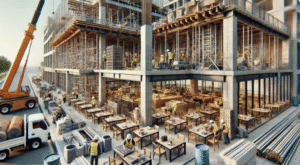
Why a Restaurant Construction Project Needs Owner Representation

Restaurant News for owner representation

The world of restaurant construction is a complex, fast-paced, and risk-laden domain. From navigating permitting and design requirements to managing contractors, vendors, and budgets, the process demands not just technical expertise but also a vigilant advocate on the owner’s side. That’s where owner representation (often called an “owner’s rep”) becomes invaluable. In this article, we’ll explore why someone embarking on restaurant construction should seriously consider bringing on an owner’s representative, what value they deliver, and how they help turn a vision into reality smoothly. 🍽️

Opening or renovating a restaurant is more than just designing a beautiful dining room or picking a kitchen layout. Especially in commercial restaurant projects, many moving parts must align: architectural design, structural work, mechanical systems, plumbing, fire safety, health codes, local permitting, utility connections, interior finishes, furniture and fixtures, vendor coordination, and more. The stakes are high: delays cost money; mistakes can lead to safety violations, unhappy neighbors, or code noncompliance. The owner typically does not have time, experience, or bandwidth to supervise every detail.

Enter the owner’s representative — a professional (or team) hired by the owner to act as their advocate and overseer throughout the construction process. While many projects proceed without one, the risks of doing so increase with project complexity, budget, deadlines, and regulatory scrutiny. In what follows, we’ll examine the critical roles of an owner’s rep in restaurant construction and why they’re often worth the cost.

The Role and Responsibilities of an Owner’s Representative

An owner’s representative stands between the owner and the many consultants, contractors, and agencies involved in the construction. They do not usually do the physical construction work themselves, but they monitor, advise, coordinate, and enforce the owner’s interests across the lifecycle of the project.

Some of their key responsibilities include:

  • Advocacy and fiduciary duty: The owner’s rep is contractually or ethically bound to act in the owner’s best interest, making decisions, raising issues, and ensuring transparency. Plan North Partners+1

  • Budget control and cost management: They help structure realistic budgets, vet cost estimates, evaluate change orders, and flag overruns before they become crises. West Coast Project Management+2Jerdon Construction+2

  • Schedule oversight and milestone tracking: They monitor progress, ensure proper sequencing of tasks, anticipate delays, and keep team members accountable to deadlines. Learn – ACD Operations+2Buildings+2

  • Communication and coordination: With so many parties involved (architects, engineers, contractors, sub-contractors, vendors, city agencies), the owner’s rep is a central hub for consistent, clear, timely communication. Learn – ACD Operations+2Moran Consultants+2

  • Design oversight and value engineering: As design evolves, the owner’s rep helps evaluate tradeoffs, vet alternative materials, and ensure that changes remain aligned with budget, code, and operational aims. West Coast Project Management+1

  • Permitting, approvals, and regulatory compliance: They shepherd submittals, plan reviews, inspections, and coordinate with local building, health, fire, zoning, and utility departments. This avoids surprises or last-minute holds. Parkbench Architects+3West Coast Project Management+3Plan North Partners+3

  • Quality assurance and oversight: They review workmanship, inspect installations, manage punch lists, and ensure that the delivered work meets the specifications, drawings, and owner expectations. Jerdon Construction+2Buildings+2

Because restaurant projects tend to have tight margins and often depend on opening on a specific date (for market timing, promotion, or lease obligations), the margin for error is small.

Why Restaurant Projects Are Especially Suited to Owner Representation

Restaurant construction has its own unique challenges compared to a standard office or retail build-out. Here are several reasons why an owner’s rep is especially beneficial in this context:

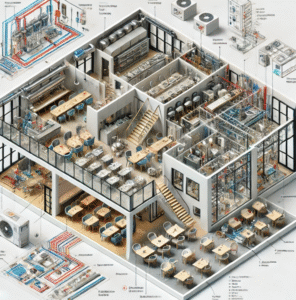
  • Complex mechanical, plumbing, and kitchen systems: The back-of-house kitchen is among the most technical parts of a restaurant. It includes grease traps, exhaust hoods, HVAC loads, gas lines, fire suppression, dishwashing stations, walk-in coolers, ventilation, and more. A mistake or miscoordination in these systems can lead to crippling redesigns or code failures. An owner’s rep helps vet those systems and ensure integration with the rest of the design.

  • Health, safety, and building code oversight: Restaurants must comply not only with building codes, but also health department standards, fire safety, ADA accessibility, sanitation, and sometimes liquor or food permitting rules. The owner’s rep ensures that design and construction align with all code and regulatory requirements, reducing the risk of shutdowns or enforcement actions.

  • Coordination of FF&E, equipment, and vendor deliveries: Unlike many commercial buildings, restaurants require specialized equipment (ovens, refrigeration, hoods, plumbing fixtures, furniture, POS systems, etc.). The logistics of coordinating bulky equipment, staging, timing, and installation are complex. The owner’s rep helps schedule deliveries, manage installation, and prevent conflicts.

  • Tenant improvement and lease obligations: Many restaurants are built within leased spaces or buildings. The lease often imposes deadlines, penalties, aesthetic constraints, and coordination with the landlord’s infrastructure. The owner’s rep can act as liaison with the landlord, ensure compliance with lease architectural requirements, and manage shared infrastructure (e.g. utilities, façade, façade approvals).

  • High costs of delays and overruns: Every extra day a restaurant isn’t open is lost revenue, marketing momentum, and opportunity. Because restaurants often launch with strong promotional efforts, missing the timeline can harm reputation, cash flow, and profitability. An owner’s rep helps mitigate those delays.

  • Multiple stakeholders and franchise or brand standards: If part of a chain or brand, there may be corporate design standards, brand compliance reviews, and design approval cycles. The owner’s rep can interface with brand reviewers and ensure alignment with standards without derailing construction.

Thus, for a restaurant owner or operator, an owner’s rep provides a buffer against risk and misalignment.

Key Benefits in Practice

Let’s look in more depth at the practical advantages that having a skilled owner’s rep offers.

Cost Savings and Preventing Waste

While hiring an owner’s rep is an additional cost line item, in many cases they more than pay for themselves by catching budget leaks early. They help avoid low-value add features, optimize material choices, and prevent rework. As one summary puts it, by watching every change order and negotiating alternatives they minimize unnecessary expenditures. Learn – ACD Operations+2West Coast Project Management+2

They also ensure contractors are paid fairly and only on completed work (rather than estimated progress), which protects against overpayment and encourages performance. Buildings

Time Efficiency and Meeting Deadlines

Because the owner’s rep is dedicated to oversight, delays or conflicts can be resolved proactively rather than reactively. They foresee bottlenecks, adjust sequencing, and keep the momentum going. This often means meeting opening dates that are tightly tied to marketing or lease agreements. Parkbench Architects+2Learn – ACD Operations+2

Single Point of Accountability and Communication

Construction is notorious for silos: architects, engineers, contractors, subcontractors, city officials, vendors, inspectors—all speaking their own language. The owner’s rep serves as a centralized node for communication, reducing errors, message distortion, delays, and confusion. Moran Consultants+2Jerdon Construction+2

The owner doesn’t have to chase down multiple parties; they should get consistent reports and be fed only what’s needed to make wise decisions.

Risk Mitigation and Regulatory Safety

One of the greatest values an owner’s rep brings is avoiding serious risk. That includes ensuring all required permits and inspections are secured, that the work is code compliant, that insurance and performance bonds are in order, and that safety practices are followed on site. This helps prevent fines, legal issues, forced rework, or shutdowns.

In heavily regulated municipalities or historic zones, the rep’s familiarity with local regulatory agencies can make the difference between a smooth approval and months of setback.

Quality Assurance and Final Acceptance

At punch list, the owner’s rep ensures that every remaining defect or shortcoming is resolved before final acceptance. This way, the owner doesn’t end up with hidden defects later. They also monitor warranty periods, ensure documentation, and check that contractors correct deficiencies.

Peace of Mind and Focus on Your Core Business

Perhaps less tangible but deeply important: with an owner’s rep in place, the restaurant owner or operator can focus on concept, marketing, menu development, staffing, and financing rather than drowning in contractor disputes, building minutiae, or daily oversight. Having an expert protecting your interests gives psychological relief and allows better focus on the mission.

How to Choose the Right Owner’s Representative

Not all owner reps are equal. For a restaurant project, here are key qualities to look for:

  • Relevant experience: Prefer someone who has overseen food-service or hospitality construction, or at least projects with intricate MEP (mechanical/electrical/plumbing) systems.

  • Local knowledge and relationships: They should know local code authorities, inspectors, city staff, permitting pathways, and vendors.

  • Credibility and reputation: Ask for references and past projects. Check whether they delivered on budget and schedule.

  • Financial and contract acumen: They should be able to negotiate, vet contracts, review change orders, and maintain budget discipline.

  • Communication skills: Clear, timely, and structured communication is critical.

  • Availability and capacity: They must dedicate enough time and resources to your project so that you’re not competing for their attention.

  • Integrity and trust: They must act in your interest and avoid conflicts of interest with contractors or vendors.

When interviewing candidates, review sample project reports, dispute resolution episodes, value engineering examples, and their role in delivering outcomes.

Potential Challenges or Downsides

Like any service, hiring an owner’s rep is not risk-free or costless. Some potential drawbacks:

  • Additional cost: Their fees must be budgeted, often as a percentage or a fixed fee. Owners must weigh that cost versus the risk mitigation they bring. Jerdon Construction+2Parkbench Architects+2

  • Overlap of roles: In some contracts, the general contractor or construction manager may already assume many oversight roles. If roles are not clearly defined, overlap or conflicts can occur. Jerdon Construction+2Plan North Partners+2

  • Authority must be clear: The owner must give the rep authority to make certain decisions or vetoes; otherwise their effectiveness is limited.

  • Dependence on the rep’s skills: If the chosen rep lacks experience or assertiveness, the expected benefits may not materialize.

However, in most well-executed restaurant construction projects, the benefits outweigh the costs.

Real-World Example and Current Trends

Construction in the restaurant sector is active. For example, Nation’s Restaurant News is a leading trade publication covering trends, growth strategies, and operational insights in the restaurant industry. Nation’s Restaurant News+1 Another useful resource is Restaurant Dive, which reports on evolving consumer trends, development, operations and policy news in the restaurant world. Restaurant Dive

In one instance, a restaurant chain invested $350,000 to remodel a 2,900-square-foot building as part of its expansion into a new market. Managing that conversion of a former space into restaurant use would involve many of the complexities we’ve discussed. MySA In another case, a legendary restaurant property is being redeveloped into a mixed-use project that still includes a restaurant footprint — negotiating that shift and retaining brand presence requires careful coordination and representation. Axios

Such developments underscore how restaurants are not just about food—they are about real estate, branding, compliance, construction, and project planning. Owner representation helps owners survive and thrive in that landscape.

Conclusion

For anyone undertaking a restaurant construction or renovation project—whether launching a new concept or refreshing a legacy location—the complexity and risk are substantial. Permitting, mechanical systems, kitchen infrastructure, vendor coordination, interior finishes, lease constraints, brand compliance, and tight deadlines all compete for attention. Without someone exclusively watching your best interests, costly mistakes or delays are all too easy.

An owner representation acts as your advocate, overseeing budgets, coordinating stakeholders, ensuring code compliance, maintaining quality control, and delivering your project on schedule. The cost of their services generally pays dividends in risk reduction, smoother execution, and more predictable results.

If you’re about to embark on building a restaurant, hiring an owner’s rep should be high on your priority list. It’s not a luxury—it’s a strategic investment in safeguarding your vision and your bottom line.

If you like, I can also produce a checklist of what to require from an owner’s rep in your contract—do you want me to do that?

Categories
Restaurant News

Park-to-Plate: Senior-Friendly Exercises to Do Before Eating at a Hillsborough County Restaurant 🍽️🚶‍♀️

Senior Exercise Hillsborough County for Restaurant News

Enjoying a meal out in Hillsborough County—whether along the Tampa Riverwalk, near Hyde Park, or at a neighborhood favorite in Brandon—can be even better when your body is gently warmed up first. A short, senior-friendly routine before you sit down helps wake up muscles and joints, steadies balance, supports digestion, and can even make you feel more relaxed and engaged at the table. Below is a practical, no-equipment guide to the kind of pre-meal exercise seniors can confidently do right outside a restaurant, in the parking lot, or during a brief stroll from car to host stand.

Why Move Before a Meal in Hillsborough County

Pre-meal movement doesn’t need to be a “workout.” Think of it as a calm, 10–15 minute warm-up that encourages circulation, lubricates joints, and signals your body that good things are coming. Gentle activity can help stabilize energy, reduce stiffness from driving to the restaurant, and set a mindful pace for the meal. Because Hillsborough County offers so many walkable spots—Bayshore Boulevard’s waterfront path, Al Lopez Park’s loop trails, Lettuce Lake Park’s boardwalks, and the shaded sidewalks in Ybor City—you’ve got natural places to take a few extra steps before you dine.

A Comfortable Pre-Meal Walking Warm-Up

A short walk is the easiest, most adaptable pre-meal choice. The goal is not distance or speed; it’s comfort and consistency.

Start with a gentle 3–5 minute stroll. If you’re near the Tampa Riverwalk or a shaded side street, walk out for half the time and back for the other half. Keep your steps small, roll through the foot from heel to toe, and let your arms swing naturally by your sides. If you use a cane or walker, maintain your normal assistive rhythm. If there’s an available handrail (like along sections of the Riverwalk), you can briefly hold it while you test your balance on level ground.

As you walk, check in with posture: imagine a string lifting your chest softly, shoulders relaxed and down, chin level. This upright alignment makes breathing easier and can reduce upper-back fatigue while you’re waiting to be seated.

Mobility Moves You Can Do Right Outside the Restaurant

Once your body feels warm, add a few mobility drills. These can be done against a wall, a sturdy pole, or even alongside your parked car.

Ankle circles: Stand tall and hold a stable surface with one hand. Gently circle one ankle 5–8 times each direction, then switch. This primes your balance and steadies your gait on curbs or thresholds.

Heel-to-toe rocks: With both feet on the ground, slowly lift your heels to tiptoe, then return and lift your toes to your shins. Repeat 8–10 times. This wakes up your calves and the muscles along the front of your shins, helpful for safer stepping and for preventing that “flat-footed” feeling when you first stand up from the table later.

Knee sweeps: Place your hands lightly on your kneecaps and trace small circles 6–8 times each direction. Keep pressure gentle; the goal is lubrication, not load. If your knees dislike circles, simply bend and straighten them a few times within a comfortable range.

Hip openers: Holding a stable surface, bring one knee up as if marching, then open it to the side and place the foot down. Do 5–8 per side at an easy pace. Hips are your power center; wake them up and walking into the restaurant will feel steadier.

Shoulder rolls and reach-and-lower: Roll shoulders back 6–8 times, then reach both arms forward to shoulder height and lower. Repeat 6–8 times. This light upper-body motion encourages circulation and sets you up for comfortable posture while dining.

Neck “yes/no/maybe”: Nod “yes” very gently 5 times, turn your head “no” within a pain-free range, then tip one ear toward one shoulder and the other ear toward the other shoulder for a careful “maybe.” Keep it slow; the aim is ease, not stretch intensity.

Balance Practice That Feels Safe

Better balance means more confidence moving from car to curb, across busy sidewalks, and into the dining room.

Tandem standing: Stand with one foot directly in front of the other, heel to toe, near a wall or railing. Hold 10–20 seconds, switch feet, and repeat twice. If that’s too challenging, step the front foot slightly out to the side (like walking on a gentle balance beam). Keep your gaze steady on a fixed point.

Single-leg weight shift: With fingertips on a wall for support, shift your weight onto one foot for 3–5 seconds, then to the other foot, for 6–8 repetitions. The goal is smooth transfer, not lifting the foot high. This simple drill maps your center of gravity and reduces that “wobbly” first step sensation.

Core and Posture Resets Before You Sit

Strong posture sets a calmer tone for the meal and can ease pressure on your lower back while you wait for a table.

Wall tall-stand: Stand with the back of your head, shoulder blades, and hips lightly touching a wall. Breathe normally for 3–5 breaths while you feel your ribcage expand and soften. Step away and keep that tall feeling as you walk inside.

Belly-brace breaths: Standing or seated on a bench, place a hand on your abdomen. Inhale through the nose, letting the belly rise. Exhale through pursed lips and gently draw your abdomen in as if zipping up a coat. Do 4–6 slow breaths. This encourages trunk stability and a calmer nervous system.

Gentle Breathing to Prime Digestion

A few deep, unhurried breaths before you order can support digestion by shifting your body toward a more relaxed state.

Box breathing: Inhale through your nose for a count of four, hold for four, exhale gently for four, hold for four. Repeat 3–4 cycles. If holding feels uncomfortable, skip the holds and just extend the exhale slightly longer than the inhale.

Smell-the-roses, blow-the-candles: Inhale as if smelling something pleasant; exhale as if softly blowing across a candle to make the flame dance, not go out. Three to five rounds can be enough to feel settled.

A 15-Minute “Park-to-Plate” Hillsborough Routine

Use this template anywhere—outside a South Tampa café, near a Brandon bistro, or after a quick loop at Al Lopez Park before heading to a nearby restaurant.

Minutes 0–5: Easy walk. Choose flat, even ground. Maintain conversational pace; if you’re walking with family, chat about the menu to keep it fun.

Minutes 5–8: Mobility circuit. Heel-to-toe rocks (10), ankle circles (each direction), knee sweeps (each direction), hip openers (5 per side), shoulder rolls (8), reach-and-lower (8).

Minutes 8–11: Balance practice. Tandem stand 10–20 seconds per side, rest, repeat. Then do weight shifts side to side for 6–8 reps.

Minutes 11–13: Posture and core. Wall tall-stand for 3–5 breaths, then belly-brace breathing for 4–6 slow breaths.

Minutes 13–15: Stroll to the host stand. Keep your tall posture and relaxed breathing. If there’s a short wait, continue gentle nose-breathing and light shoulder rolls to stay loose.

If you need a shorter version, cut each block in half and aim for an easy 7–8 minutes. If you prefer a slightly longer warm-up, extend the initial walk to 8–10 minutes and keep the rest the same.

Safety Tips and Personalization

Check with your clinician: If you have a recent surgery, cardiac concerns, balance disorders, or joint replacements, verify what’s safe for you. Most of the moves above are low-intensity, but your personal context matters.

Use the buddy system: If you dine with friends or family, do the warm-up together. A partner can spot you during tandem standing and make the routine more social.

Surface first: Choose even, well-lit ground. If the sidewalk is busy, step to a quieter area. Indoors, a lobby corner can work for breathing and posture resets.

Pain is a stop sign: Gentle effort is fine; pain is not. Skip or modify anything that doesn’t feel right. Replace circles with smaller ranges, or hold onto support for every move.

Bring the right shoes: A supportive walking shoe with a non-slip sole is your best “equipment.” If you use a cane or walker, bring it into the routine from the start instead of trying to “go without.”

Hydrate smartly: A few sips of water before going inside can ease dryness from Florida heat without making you uncomfortably full before the meal.

Where to Do It: Hillsborough-Friendly Spots Before You Dine

Tampa Riverwalk: Wide paths, benches, and railings make it ideal for short strolls and safe balance work before you visit nearby restaurants.

Bayshore Boulevard: Flat, scenic, and perfect for a five-minute out-and-back with ocean breezes, followed by a calm, seated breath before you’re called to your table.

Al Lopez Park and Lettuce Lake Park: If you’re meeting for an early dinner, take a few warm-up minutes in the parking area or near the trailhead, then head to a nearby eatery.

Hyde Park Village and Ybor City: Shaded sidewalks and storefronts make it simple to do mobility drills discreetly before joining friends.

Dining Mindfully After You Move

Pre-meal movement often leads to a steadier appetite and a more mindful pace at the table. You may find it easier to tune in to hunger and fullness cues after a calming walk and a few breaths, which can make the experience more enjoyable from first bite to last conversation. As the restaurant scene evolves and menus change with trends, it’s useful to stay informed and intentional. If you enjoy following industry news while you choose where to eat, you can scan reliable sources such as Restaurant Business, Nation’s Restaurant News, and the National Restaurant Association. For background on restaurant history and concepts, see Wikipedia’s Restaurant overview. Staying aware of what’s happening in restaurants can help you plan reservation times, anticipate busy periods, and choose venues with the seating, lighting, and noise levels that feel best for you. 🍴

A Quick Checklist You Can Screenshot

Arrive 10–15 minutes early so you can walk without rushing.
Do ankle, knee, and hip mobility in a quiet spot by your car or a wall.
Practice a safe balance stand near a railing or sturdy surface.
Reset posture with a brief wall tall-stand.
Take 3–4 slow breaths before stepping inside.
Sip a little water and enjoy your meal with great company.

Conclusion: Small Movements, Big Difference

In short, a Senior Exercise Hillsborough County routine before you eat out can transform the whole evening. Five to fifteen minutes of easy walking, simple joint mobility, gentle balance work, and calming breaths set the tone for comfort, connection, and better digestion. You don’t need a gym, special clothes, or complicated steps—just a few minutes and a plan. Try the “Park-to-Plate” warm-up the next time you head to dinner on the Tampa Riverwalk or brunch in Hyde Park. Your body will feel steadier, your mood lighter, and your meal even more satisfying. Bon appétit—and happy strolling! 🌅🍷

Categories
Restaurant News

Why Restaurants Should Work with BIM Companies 🍽️🏗️

Restaurant News for BIM Companies

The restaurant industry is fiercely competitive, and success depends on more than great food. Smart planning, efficient use of space, smooth construction, safety compliance, and future flexibility all play a vital role in whether a restaurant thrives or struggles. That’s where BIM (Building Information Modeling) companies come in.
BIM is transforming how restaurants are designed, built, renovated, and even maintained. It uses intelligent 3D models that include spatial layout, equipment placement, electrical and plumbing coordination, safety planning, and operational flow. Instead of relying on flat drawings, BIM helps restaurant owners visualize the entire space—before a single wall is built.

Whether opening a new location, renovating an existing one, or standardizing multiple franchises, working with a BIM company can save money, reduce stress, and improve long-term results. In this article, we’ll explore why BIM has become essential in modern restaurant development, how it improves efficiency, and why partnering with a BIM company is one of the smartest moves a restaurant owner can make.


What Is BIM and Why Does It Matter for Restaurants?

BIM (Building Information Modeling) is an advanced digital process that creates a 3D representation of a building—along with every detail about its structure, materials, systems, and equipment. It is not just a drawing—it is living data.

According to Wikipedia’s overview of Building Information Modeling, BIM allows architects, engineers, and contractors to collaborate in one shared environment. Because restaurants are highly technical spaces—filled with kitchen equipment, HVAC, plumbing, electrical, storage, and ADA requirements—traditional 2D plans often fall short. BIM solves this problem by showing how all the pieces fit and work together in real time.

Restaurants require precision. The kitchen must be laid out for efficiency, the dining room must maximize comfort and capacity, and the entire building must comply with health and safety regulations. BIM makes this simpler, clearer, and more accurate.


BIM Helps Restaurants Visualize Before Building 🔍

One of the biggest frustrations restaurant owners face is not knowing how their space will truly look and feel until after construction. If something feels off—layout, lighting, traffic flow—they’re forced to make costly changes.

BIM companies eliminate this by creating fully interactive 3D models. These models allow:

  • Full walkthroughs (like a virtual tour)

  • Equipment placement checks

  • Customer traffic simulation

  • Furniture layout planning

  • Kitchen workflow optimization

This visual clarity helps avoid expensive mistakes and ensures the final environment supports speed, comfort, and profitability.


Speed to Market: BIM Accelerates Restaurant Construction

In the restaurant business, timing is everything. Every delay costs money, and missing an opening date can hurt momentum. BIM shortens project timelines in multiple ways:

  • Eliminates conflicts before construction starts

  • Improves communication between architects, contractors, and suppliers

  • Reduces change orders

  • Allows prefabrication of certain components

  • Provides accurate scheduling and cost forecasting

In fact, industry reports from sources like Restaurant Business Online highlight how smart design and efficient pre-planning reduce downtime and make it easier for restaurants to open new locations quickly. BIM supports that level of efficiency on every project.


Avoiding Costly Mistakes with Clash Detection 💡

One small mistake—like placing a vent in the wrong spot or running plumbing where electrical lines should go—can delay a restaurant opening by weeks. BIM companies use clash detection to identify and resolve these issues before construction.

This process ensures all building systems (mechanical, electrical, plumbing, fire safety, etc.) work together. It prevents costly rework and eliminates surprises. For restaurants, where space is tight and systems are complex, clash detection is a powerful tool that protects your budget.


Energy Efficiency and Sustainability ♻️

Energy is one of the largest expenses in a restaurant. BIM helps optimize energy use by analyzing lighting, HVAC performance, insulation, and equipment layout long before construction.

According to reports from Restaurant Dive, sustainability is a growing focus in the industry. Customers increasingly prefer eco-friendly businesses, and BIM helps achieve sustainability goals by improving design from the ground up.

The result? Lower utility bills, greener operations, and eligibility for potential tax incentives.


Regulatory Compliance Made Easy

Restaurant construction must follow strict codes: health, fire, accessibility, ventilation, electrical safety, and more. Missing just one requirement can delay permits or trigger expensive fixes.
BIM companies keep everything organized and compliant by embedding code requirements directly into the model. This includes:

  • ADA layout standards

  • Grease trap and ventilation rules

  • Exit and fire corridor spacing

  • Plumbing and gas regulations

  • Health department guidelines

With BIM, inspections go smoother, and approvals happen faster—because every detail has already been planned with compliance in mind.


Better Kitchen Design for Faster Service 👨‍🍳💨

The kitchen is the heart of the restaurant—and one of the most complex spaces to design. BIM allows owners and chefs to visualize every counter, prep station, and appliance in 3D, ensuring maximum efficiency and safety.

Benefits include:

  • Faster food prep times

  • Fewer bottlenecks

  • Better storage organization

  • Clear traffic zones for cooks and servers

  • Compliance with food safety rules

Restaurants with optimized kitchens experience fewer errors, happier staff, and faster service. That leads to better reviews, more returning customers, and increased revenue.


BIM Supports Franchise Growth and Brand Consistency

For franchise restaurants, consistency is everything. Each location needs the same layout, atmosphere, branding, and customer experience. BIM creates standardized templates that make rollout seamless.

With a BIM model in place:

  • New locations can be built faster

  • Designs are easily replicated

  • Brand standards remain consistent

  • Local adjustments can be made without changing the core design

Whether it’s 2 locations or 200, BIM helps restaurants expand with confidence—without sacrificing quality.


BIM Improves Communication Between All Stakeholders

Miscommunication is a leading cause of delays and budget overruns. BIM companies bring everyone—architects, contractors, engineers, designers, equipment vendors, and owners—onto the same platform.

Everyone sees the same model. Everyone stays aligned. Issues get solved faster.
This teamwork approach leads to smoother construction and better final results. Even after opening, BIM models can be used for maintenance and future upgrades.


Future-Proofing and Easy Renovations 🛠️

Restaurants evolve. Menus change. Trends shift. Customer preferences grow. At some point, renovations become necessary.

With traditional plans, upgrades are messy and unpredictable. But BIM stores all building data digitally, including where everything is located behind the walls. If the owner wants to remodel in five years, the BIM model shows exactly what exists—saving time and avoiding surprises.

This future-proofing makes long-term maintenance and expansion smarter and more cost-effective.


Real-World Success: BIM and Restaurant Innovation

Many top restaurant chains have already started using BIM to optimize their development process. This trend is growing globally as the industry realizes how powerful digital design can be.
Organizations such as Nation’s Restaurant News frequently report on technology and innovation in restaurant construction and operations, highlighting the critical role BIM plays in modernizing the industry.

From local cafes to major franchise brands, BIM is helping restaurant owners build smarter, faster, and more profitably.


Conclusion 🎉

Restaurants succeed when every detail works in harmony—from kitchen efficiency to dining room atmosphere, from safety compliance to long-term profitability. Traditional construction methods often lead to delays, miscommunication, and expensive redesigns. BIM companies solve these challenges by providing intelligent 3D models, accurate data, seamless communication, and long-term flexibility.

By working with a BIM company, restaurant owners gain:

  • Better planning and visualization

  • Faster construction and fewer delays

  • Cost savings through clash detection and efficiency

  • Energy and sustainability optimization

  • Easier compliance with codes and health regulations

  • Scalable franchise growth

  • Smarter future renovations

The future of restaurant development is digital—and BIM is at the center of that transformation. If you want to build smarter, operate smoother, and stay ahead of the competition, partnering with a BIM company isn’t just an option—it’s a strategic advantage. 🍽️🚀