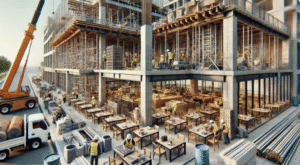
The world of restaurant construction is a complex, fast-paced, and risk-laden domain. From navigating permitting and design requirements to managing contractors, vendors, and budgets, the process demands not just technical expertise but also a vigilant advocate on the owner’s side. That’s where owner representation (often called an “owner’s rep”) becomes invaluable. In this article, we’ll explore why someone embarking on restaurant construction should seriously consider bringing on an owner’s representative, what value they deliver, and how they help turn a vision into reality smoothly. 🍽️
Opening or renovating a restaurant is more than just designing a beautiful dining room or picking a kitchen layout. Especially in commercial restaurant projects, many moving parts must align: architectural design, structural work, mechanical systems, plumbing, fire safety, health codes, local permitting, utility connections, interior finishes, furniture and fixtures, vendor coordination, and more. The stakes are high: delays cost money; mistakes can lead to safety violations, unhappy neighbors, or code noncompliance. The owner typically does not have time, experience, or bandwidth to supervise every detail.
Enter the owner’s representative — a professional (or team) hired by the owner to act as their advocate and overseer throughout the construction process. While many projects proceed without one, the risks of doing so increase with project complexity, budget, deadlines, and regulatory scrutiny. In what follows, we’ll examine the critical roles of an owner’s rep in restaurant construction and why they’re often worth the cost.
The Role and Responsibilities of an Owner’s Representative
An owner’s representative stands between the owner and the many consultants, contractors, and agencies involved in the construction. They do not usually do the physical construction work themselves, but they monitor, advise, coordinate, and enforce the owner’s interests across the lifecycle of the project.
Some of their key responsibilities include:
-
Advocacy and fiduciary duty: The owner’s rep is contractually or ethically bound to act in the owner’s best interest, making decisions, raising issues, and ensuring transparency. Plan North Partners+1
-
Budget control and cost management: They help structure realistic budgets, vet cost estimates, evaluate change orders, and flag overruns before they become crises. West Coast Project Management+2Jerdon Construction+2
-
Schedule oversight and milestone tracking: They monitor progress, ensure proper sequencing of tasks, anticipate delays, and keep team members accountable to deadlines. Learn – ACD Operations+2Buildings+2
-
Communication and coordination: With so many parties involved (architects, engineers, contractors, sub-contractors, vendors, city agencies), the owner’s rep is a central hub for consistent, clear, timely communication. Learn – ACD Operations+2Moran Consultants+2
-
Design oversight and value engineering: As design evolves, the owner’s rep helps evaluate tradeoffs, vet alternative materials, and ensure that changes remain aligned with budget, code, and operational aims. West Coast Project Management+1
-
Permitting, approvals, and regulatory compliance: They shepherd submittals, plan reviews, inspections, and coordinate with local building, health, fire, zoning, and utility departments. This avoids surprises or last-minute holds. Parkbench Architects+3West Coast Project Management+3Plan North Partners+3
-
Quality assurance and oversight: They review workmanship, inspect installations, manage punch lists, and ensure that the delivered work meets the specifications, drawings, and owner expectations. Jerdon Construction+2Buildings+2
Because restaurant projects tend to have tight margins and often depend on opening on a specific date (for market timing, promotion, or lease obligations), the margin for error is small.
Why Restaurant Projects Are Especially Suited to Owner Representation
Restaurant construction has its own unique challenges compared to a standard office or retail build-out. Here are several reasons why an owner’s rep is especially beneficial in this context:
-
Complex mechanical, plumbing, and kitchen systems: The back-of-house kitchen is among the most technical parts of a restaurant. It includes grease traps, exhaust hoods, HVAC loads, gas lines, fire suppression, dishwashing stations, walk-in coolers, ventilation, and more. A mistake or miscoordination in these systems can lead to crippling redesigns or code failures. An owner’s rep helps vet those systems and ensure integration with the rest of the design.
-
Health, safety, and building code oversight: Restaurants must comply not only with building codes, but also health department standards, fire safety, ADA accessibility, sanitation, and sometimes liquor or food permitting rules. The owner’s rep ensures that design and construction align with all code and regulatory requirements, reducing the risk of shutdowns or enforcement actions.
-
Coordination of FF&E, equipment, and vendor deliveries: Unlike many commercial buildings, restaurants require specialized equipment (ovens, refrigeration, hoods, plumbing fixtures, furniture, POS systems, etc.). The logistics of coordinating bulky equipment, staging, timing, and installation are complex. The owner’s rep helps schedule deliveries, manage installation, and prevent conflicts.
-
Tenant improvement and lease obligations: Many restaurants are built within leased spaces or buildings. The lease often imposes deadlines, penalties, aesthetic constraints, and coordination with the landlord’s infrastructure. The owner’s rep can act as liaison with the landlord, ensure compliance with lease architectural requirements, and manage shared infrastructure (e.g. utilities, façade, façade approvals).
-
High costs of delays and overruns: Every extra day a restaurant isn’t open is lost revenue, marketing momentum, and opportunity. Because restaurants often launch with strong promotional efforts, missing the timeline can harm reputation, cash flow, and profitability. An owner’s rep helps mitigate those delays.
-
Multiple stakeholders and franchise or brand standards: If part of a chain or brand, there may be corporate design standards, brand compliance reviews, and design approval cycles. The owner’s rep can interface with brand reviewers and ensure alignment with standards without derailing construction.
Thus, for a restaurant owner or operator, an owner’s rep provides a buffer against risk and misalignment.
Key Benefits in Practice
Let’s look in more depth at the practical advantages that having a skilled owner’s rep offers.
Cost Savings and Preventing Waste
While hiring an owner’s rep is an additional cost line item, in many cases they more than pay for themselves by catching budget leaks early. They help avoid low-value add features, optimize material choices, and prevent rework. As one summary puts it, by watching every change order and negotiating alternatives they minimize unnecessary expenditures. Learn – ACD Operations+2West Coast Project Management+2
They also ensure contractors are paid fairly and only on completed work (rather than estimated progress), which protects against overpayment and encourages performance. Buildings
Time Efficiency and Meeting Deadlines
Because the owner’s rep is dedicated to oversight, delays or conflicts can be resolved proactively rather than reactively. They foresee bottlenecks, adjust sequencing, and keep the momentum going. This often means meeting opening dates that are tightly tied to marketing or lease agreements. Parkbench Architects+2Learn – ACD Operations+2
Single Point of Accountability and Communication
Construction is notorious for silos: architects, engineers, contractors, subcontractors, city officials, vendors, inspectors—all speaking their own language. The owner’s rep serves as a centralized node for communication, reducing errors, message distortion, delays, and confusion. Moran Consultants+2Jerdon Construction+2
The owner doesn’t have to chase down multiple parties; they should get consistent reports and be fed only what’s needed to make wise decisions.
Risk Mitigation and Regulatory Safety
One of the greatest values an owner’s rep brings is avoiding serious risk. That includes ensuring all required permits and inspections are secured, that the work is code compliant, that insurance and performance bonds are in order, and that safety practices are followed on site. This helps prevent fines, legal issues, forced rework, or shutdowns.
In heavily regulated municipalities or historic zones, the rep’s familiarity with local regulatory agencies can make the difference between a smooth approval and months of setback.
Quality Assurance and Final Acceptance
At punch list, the owner’s rep ensures that every remaining defect or shortcoming is resolved before final acceptance. This way, the owner doesn’t end up with hidden defects later. They also monitor warranty periods, ensure documentation, and check that contractors correct deficiencies.
Peace of Mind and Focus on Your Core Business
Perhaps less tangible but deeply important: with an owner’s rep in place, the restaurant owner or operator can focus on concept, marketing, menu development, staffing, and financing rather than drowning in contractor disputes, building minutiae, or daily oversight. Having an expert protecting your interests gives psychological relief and allows better focus on the mission.
How to Choose the Right Owner’s Representative
Not all owner reps are equal. For a restaurant project, here are key qualities to look for:
-
Relevant experience: Prefer someone who has overseen food-service or hospitality construction, or at least projects with intricate MEP (mechanical/electrical/plumbing) systems.
-
Local knowledge and relationships: They should know local code authorities, inspectors, city staff, permitting pathways, and vendors.
-
Credibility and reputation: Ask for references and past projects. Check whether they delivered on budget and schedule.
-
Financial and contract acumen: They should be able to negotiate, vet contracts, review change orders, and maintain budget discipline.
-
Communication skills: Clear, timely, and structured communication is critical.
-
Availability and capacity: They must dedicate enough time and resources to your project so that you’re not competing for their attention.
-
Integrity and trust: They must act in your interest and avoid conflicts of interest with contractors or vendors.
When interviewing candidates, review sample project reports, dispute resolution episodes, value engineering examples, and their role in delivering outcomes.
Potential Challenges or Downsides
Like any service, hiring an owner’s rep is not risk-free or costless. Some potential drawbacks:
-
Additional cost: Their fees must be budgeted, often as a percentage or a fixed fee. Owners must weigh that cost versus the risk mitigation they bring. Jerdon Construction+2Parkbench Architects+2
-
Overlap of roles: In some contracts, the general contractor or construction manager may already assume many oversight roles. If roles are not clearly defined, overlap or conflicts can occur. Jerdon Construction+2Plan North Partners+2
-
Authority must be clear: The owner must give the rep authority to make certain decisions or vetoes; otherwise their effectiveness is limited.
-
Dependence on the rep’s skills: If the chosen rep lacks experience or assertiveness, the expected benefits may not materialize.
However, in most well-executed restaurant construction projects, the benefits outweigh the costs.
Real-World Example and Current Trends
Construction in the restaurant sector is active. For example, Nation’s Restaurant News is a leading trade publication covering trends, growth strategies, and operational insights in the restaurant industry. Nation’s Restaurant News+1 Another useful resource is Restaurant Dive, which reports on evolving consumer trends, development, operations and policy news in the restaurant world. Restaurant Dive
In one instance, a restaurant chain invested $350,000 to remodel a 2,900-square-foot building as part of its expansion into a new market. Managing that conversion of a former space into restaurant use would involve many of the complexities we’ve discussed. MySA In another case, a legendary restaurant property is being redeveloped into a mixed-use project that still includes a restaurant footprint — negotiating that shift and retaining brand presence requires careful coordination and representation. Axios
Such developments underscore how restaurants are not just about food—they are about real estate, branding, compliance, construction, and project planning. Owner representation helps owners survive and thrive in that landscape.
Conclusion
For anyone undertaking a restaurant construction or renovation project—whether launching a new concept or refreshing a legacy location—the complexity and risk are substantial. Permitting, mechanical systems, kitchen infrastructure, vendor coordination, interior finishes, lease constraints, brand compliance, and tight deadlines all compete for attention. Without someone exclusively watching your best interests, costly mistakes or delays are all too easy.
An owner representation acts as your advocate, overseeing budgets, coordinating stakeholders, ensuring code compliance, maintaining quality control, and delivering your project on schedule. The cost of their services generally pays dividends in risk reduction, smoother execution, and more predictable results.
If you’re about to embark on building a restaurant, hiring an owner’s rep should be high on your priority list. It’s not a luxury—it’s a strategic investment in safeguarding your vision and your bottom line.
If you like, I can also produce a checklist of what to require from an owner’s rep in your contract—do you want me to do that?