Categories
Restaurant News

Why Restaurants Should Work with BIM Companies 🍽️🏗️

Restaurant News for BIM Companies

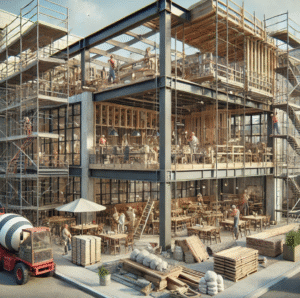
The restaurant industry is fiercely competitive, and success depends on more than great food. Smart planning, efficient use of space, smooth construction, safety compliance, and future flexibility all play a vital role in whether a restaurant thrives or struggles. That’s where BIM (Building Information Modeling) companies come in.
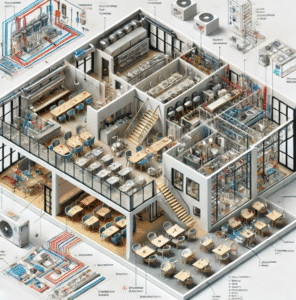
BIM is transforming how restaurants are designed, built, renovated, and even maintained. It uses intelligent 3D models that include spatial layout, equipment placement, electrical and plumbing coordination, safety planning, and operational flow. Instead of relying on flat drawings, BIM helps restaurant owners visualize the entire space—before a single wall is built.

Whether opening a new location, renovating an existing one, or standardizing multiple franchises, working with a BIM company can save money, reduce stress, and improve long-term results. In this article, we’ll explore why BIM has become essential in modern restaurant development, how it improves efficiency, and why partnering with a BIM company is one of the smartest moves a restaurant owner can make.


What Is BIM and Why Does It Matter for Restaurants?

BIM (Building Information Modeling) is an advanced digital process that creates a 3D representation of a building—along with every detail about its structure, materials, systems, and equipment. It is not just a drawing—it is living data.

According to Wikipedia’s overview of Building Information Modeling, BIM allows architects, engineers, and contractors to collaborate in one shared environment. Because restaurants are highly technical spaces—filled with kitchen equipment, HVAC, plumbing, electrical, storage, and ADA requirements—traditional 2D plans often fall short. BIM solves this problem by showing how all the pieces fit and work together in real time.

Restaurants require precision. The kitchen must be laid out for efficiency, the dining room must maximize comfort and capacity, and the entire building must comply with health and safety regulations. BIM makes this simpler, clearer, and more accurate.


BIM Helps Restaurants Visualize Before Building 🔍

One of the biggest frustrations restaurant owners face is not knowing how their space will truly look and feel until after construction. If something feels off—layout, lighting, traffic flow—they’re forced to make costly changes.

BIM companies eliminate this by creating fully interactive 3D models. These models allow:

  • Full walkthroughs (like a virtual tour)

  • Equipment placement checks

  • Customer traffic simulation

  • Furniture layout planning

  • Kitchen workflow optimization

This visual clarity helps avoid expensive mistakes and ensures the final environment supports speed, comfort, and profitability.


Speed to Market: BIM Accelerates Restaurant Construction

In the restaurant business, timing is everything. Every delay costs money, and missing an opening date can hurt momentum. BIM shortens project timelines in multiple ways:

  • Eliminates conflicts before construction starts

  • Improves communication between architects, contractors, and suppliers

  • Reduces change orders

  • Allows prefabrication of certain components

  • Provides accurate scheduling and cost forecasting

In fact, industry reports from sources like Restaurant Business Online highlight how smart design and efficient pre-planning reduce downtime and make it easier for restaurants to open new locations quickly. BIM supports that level of efficiency on every project.


Avoiding Costly Mistakes with Clash Detection 💡

One small mistake—like placing a vent in the wrong spot or running plumbing where electrical lines should go—can delay a restaurant opening by weeks. BIM companies use clash detection to identify and resolve these issues before construction.

This process ensures all building systems (mechanical, electrical, plumbing, fire safety, etc.) work together. It prevents costly rework and eliminates surprises. For restaurants, where space is tight and systems are complex, clash detection is a powerful tool that protects your budget.


Energy Efficiency and Sustainability ♻️

Energy is one of the largest expenses in a restaurant. BIM helps optimize energy use by analyzing lighting, HVAC performance, insulation, and equipment layout long before construction.

According to reports from Restaurant Dive, sustainability is a growing focus in the industry. Customers increasingly prefer eco-friendly businesses, and BIM helps achieve sustainability goals by improving design from the ground up.

The result? Lower utility bills, greener operations, and eligibility for potential tax incentives.


Regulatory Compliance Made Easy

Restaurant construction must follow strict codes: health, fire, accessibility, ventilation, electrical safety, and more. Missing just one requirement can delay permits or trigger expensive fixes.
BIM companies keep everything organized and compliant by embedding code requirements directly into the model. This includes:

  • ADA layout standards

  • Grease trap and ventilation rules

  • Exit and fire corridor spacing

  • Plumbing and gas regulations

  • Health department guidelines

With BIM, inspections go smoother, and approvals happen faster—because every detail has already been planned with compliance in mind.


Better Kitchen Design for Faster Service 👨‍🍳💨

The kitchen is the heart of the restaurant—and one of the most complex spaces to design. BIM allows owners and chefs to visualize every counter, prep station, and appliance in 3D, ensuring maximum efficiency and safety.

Benefits include:

  • Faster food prep times

  • Fewer bottlenecks

  • Better storage organization

  • Clear traffic zones for cooks and servers

  • Compliance with food safety rules

Restaurants with optimized kitchens experience fewer errors, happier staff, and faster service. That leads to better reviews, more returning customers, and increased revenue.


BIM Supports Franchise Growth and Brand Consistency

For franchise restaurants, consistency is everything. Each location needs the same layout, atmosphere, branding, and customer experience. BIM creates standardized templates that make rollout seamless.

With a BIM model in place:

  • New locations can be built faster

  • Designs are easily replicated

  • Brand standards remain consistent

  • Local adjustments can be made without changing the core design

Whether it’s 2 locations or 200, BIM helps restaurants expand with confidence—without sacrificing quality.


BIM Improves Communication Between All Stakeholders

Miscommunication is a leading cause of delays and budget overruns. BIM companies bring everyone—architects, contractors, engineers, designers, equipment vendors, and owners—onto the same platform.

Everyone sees the same model. Everyone stays aligned. Issues get solved faster.
This teamwork approach leads to smoother construction and better final results. Even after opening, BIM models can be used for maintenance and future upgrades.


Future-Proofing and Easy Renovations 🛠️

Restaurants evolve. Menus change. Trends shift. Customer preferences grow. At some point, renovations become necessary.

With traditional plans, upgrades are messy and unpredictable. But BIM stores all building data digitally, including where everything is located behind the walls. If the owner wants to remodel in five years, the BIM model shows exactly what exists—saving time and avoiding surprises.

This future-proofing makes long-term maintenance and expansion smarter and more cost-effective.


Real-World Success: BIM and Restaurant Innovation

Many top restaurant chains have already started using BIM to optimize their development process. This trend is growing globally as the industry realizes how powerful digital design can be.
Organizations such as Nation’s Restaurant News frequently report on technology and innovation in restaurant construction and operations, highlighting the critical role BIM plays in modernizing the industry.

From local cafes to major franchise brands, BIM is helping restaurant owners build smarter, faster, and more profitably.


Conclusion 🎉

Restaurants succeed when every detail works in harmony—from kitchen efficiency to dining room atmosphere, from safety compliance to long-term profitability. Traditional construction methods often lead to delays, miscommunication, and expensive redesigns. BIM companies solve these challenges by providing intelligent 3D models, accurate data, seamless communication, and long-term flexibility.

By working with a BIM company, restaurant owners gain:

  • Better planning and visualization

  • Faster construction and fewer delays

  • Cost savings through clash detection and efficiency

  • Energy and sustainability optimization

  • Easier compliance with codes and health regulations

  • Scalable franchise growth

  • Smarter future renovations

The future of restaurant development is digital—and BIM is at the center of that transformation. If you want to build smarter, operate smoother, and stay ahead of the competition, partnering with a BIM company isn’t just an option—it’s a strategic advantage. 🍽️🚀

Categories
Restaurant News

Why a Memphis Restaurant Should Consult with a Tree Expert Witness

Tree Expert Witness Memphis for Restaurant News

Restaurants in Memphis are more than just places to eat—they’re experiences. From patios shaded by towering oaks to beautiful landscaping that enhances curb appeal, trees often play a major role in a restaurant’s atmosphere. But what many restaurant owners don’t realize is that trees can also become serious legal, safety, and financial liabilities if they are not handled correctly.

That’s where a Tree Expert Witness becomes essential. This professional isn’t just an arborist—they are a consultant trained to analyze tree-related incidents, provide legal testimony, assess risk, and protect businesses from lawsuits or costly mistakes. For Memphis restaurants, where storms, soil conditions, and aging trees can create hazards, the need is even greater.

In this article, we’ll break down why consulting with a Tree Expert Witness is one of the smartest moves a restaurant owner can make to protect their business, reputation, and customers. 🌳🍽️


The Hidden Liability of Trees in the Restaurant Industry

Memphis is known for heavy rain, strong winds, and unpredictable storms. If a tree or branch falls on a customer’s car, outdoor dining area, or building, it could trigger a lawsuit. Restaurants are considered public spaces, which means owners have a legal duty to maintain a safe environment.

A Tree Expert Witness can:

  • Identify hazardous trees before they fail

  • Evaluate whether proper maintenance was performed

  • Help prove negligence—or defend against it

  • Document tree conditions for legal protection

According to National Restaurant News, customer safety is one of the top liability concerns in the restaurant industry. Trees are often overlooked until it’s too late. One incident could lead to medical bills, negative publicity, or even shutdowns.


Urban Tree Laws and Local Regulations Matter

Many restaurant owners don’t realize that Memphis has city ordinances governing tree removal, trimming, and protection. Removing or damaging a tree without proper permits can result in fines or legal action.

A Tree Expert Witness understands:

  • Local and state tree laws

  • Property line and boundary disputes

  • Easements and right-of-way issues

  • Protected or heritage tree rules

If a restaurant wants to expand a patio, install signage, or redesign landscaping, consulting a Tree Expert Witness ensures decisions are legal and defensible if questioned later.


When a Customer or Employee Is Injured by a Tree

Imagine a limb falling onto a guest’s table or an employee slipping on root damage in the parking lot. Suddenly, it’s not just a landscaping issue—it’s a liability case.

According to QSR Magazine, customer injuries are a common cause of restaurant lawsuits. If the cause is tree-related, insurance companies and attorneys will want to know:

  • Was the tree properly maintained?

  • Was there evidence of decay or instability?

  • Did the restaurant ignore warning signs?

  • Could the incident have been prevented?

A Tree Expert Witness can analyze the tree’s condition before and after the incident, reviewing maintenance records and providing professional opinions that make or break a case. They can support the victim—or defend the restaurant—depending on the truth.


Outdoor Dining Is Growing—So Is Tree Risk

Memphis restaurants are expanding outdoor seating because diners love ambiance, especially under shade trees. However, outdoor dining puts customers physically closer to trees, roots, and branches.

Risks include:

  • Falling limbs

  • Uplifted concrete from roots

  • Pest infestations

  • Mold or leaf debris affecting sanitation

According to Restaurant Business Online, outdoor dining has increased dramatically since the pandemic, making tree-related dangers more common. A Tree Expert Witness can help design safer outdoor dining layouts, advise on proper trimming and tree placement, and ensure ADA compliance around roots and walkways.


Storm Damage and Insurance Disputes

Memphis storms can be brutal. After severe weather, restaurants often file insurance claims for fallen trees or property damage. But insurance companies may deny claims if they believe the tree was already hazardous before the storm.

A Tree Expert Witness can:

  • Determine whether the damage was sudden or from neglect

  • Document tree health over time

  • Provide professional reports to support claims

  • Testify against unfair denials

This expert can save a restaurant thousands of dollars by proving the restaurant performed reasonable care—or by helping the restaurant improve future maintenance to avoid issues.


Protecting Property Value and Curb Appeal

Trees greatly affect the first impression customers get when pulling into a restaurant. Healthy, well-maintained trees make the property look inviting and upscale. Neglected or dangerous trees make a property look abandoned or unsafe.

Tree Expert Witnesses can assist owners in:

  • Choosing the right tree species for Memphis climate

  • Preventing root damage to buildings and utilities

  • Creating long-term tree management plans

  • Preserving valuable mature trees during construction

According to FSR Magazine, appearance and atmosphere dramatically affect customer return rates. Beautiful, safe trees add value—poorly managed ones destroy it.


When Legal Cases Arise, You Need an Expert

Tree-related legal cases are surprisingly common and often involve:

  • Personal injury

  • Property damage

  • Neighbor disputes

  • Wrongful removal of protected trees

  • View obstruction or root encroachment

  • Contract conflicts with landscapers or developers

A Tree Expert Witness provides:

  • Expert testimony in court

  • Detailed forensic tree analysis

  • Photographic and written evidence

  • Professional reports accepted in legal proceedings

They can explain scientific tree data in plain language to judges and juries, giving credibility to the restaurant’s position.


Environmental and Sustainability Benefits

Modern customers care about sustainability. Memphis restaurants that preserve trees and maintain healthy landscaping appeal to eco-conscious diners.

According to Wikipedia – Sustainable Restaurant, sustainability practices—including responsible landscaping—can improve reputation and customer loyalty.

A Tree Expert Witness helps restaurants:

  • Protect existing trees instead of removing them

  • Implement tree care plans that reduce waste

  • Comply with green building standards

  • Promote environmental responsibility in marketing

This adds brand value, strengthens community trust, and supports long-term success. 🌱


Planning Renovations or Expansions? Call Before You Cut

Before a restaurant builds a patio, installs a drive-thru, or expands parking, a Tree Expert Witness can determine:

  • Which trees must stay by law

  • Which trees pose risk during construction

  • How to avoid damaging roots or soil structure

  • How new structures may affect tree health

Early consultation prevents costly mistakes, project delays, fines, or legal challenges.


Avoid Public Relations Nightmares

Removing trees or causing tree damage without proper planning can create community backlash or negative press. Social media users often rally to protect large or historic trees.

A Tree Expert Witness can provide documentation showing the restaurant acted responsibly, preserving brand reputation and community support.


Conclusion: Tree Experts Protect More Than Trees—They Protect Restaurants

A Memphis restaurant isn’t just serving meals—it’s operating in a complex environment of legal responsibility, customer safety, property value, and environmental impact. Trees can be one of the biggest assets—or one of the biggest threats—depending on how they’re managed.

A Tree Expert Witness Memphis helps restaurant owners:
✅ Prevent accidents and lawsuits
✅ Navigate local laws and permits
✅ Support or defend legal claims
✅ Design safer outdoor dining spaces
✅ Handle storm damage and insurance disputes
✅ Protect trees without risking liability
✅ Build a reputation of safety, beauty, and responsibility

In a city full of character, history, and natural beauty like Memphis, trees will always be part of the landscape. The smartest restaurant owners don’t just admire them—they consult the experts who understand them. 🌳🍽️✨

Categories
Restaurant News

Why a 7/8″ Scaffold Ratchet Belongs in Every Restaurant’s Toolkit 🍽️🔧

Restaurant News for Scaffold Ratchet 7 8

Running a restaurant is a nonstop choreography of people, products, and processes. The dining room must feel welcoming, the kitchen must hum like a well-oiled machine, and your brand needs to look sharp—from the sign out front to the pendant lights above the bar. Behind that polished guest experience is a surprising amount of hands-on work: mounting new heat lamps, swapping ceiling tiles, tightening loose railings, installing seasonal dĂŠcor, replacing rooftop exhaust fans, and adjusting shelving or signage. That’s where a small, unassuming hero steps in: the 7/8″ scaffold ratchet.

If you’ve ever waited two days for a contractor to tighten a bracket, or shut down a section of the dining room because a light bar was wobbly, you already know how small maintenance gaps can turn into big operational headaches. A 7/8″ scaffold ratchet—compact, purpose-built for scaffolding hardware and common fasteners—helps your team handle quick fixes safely, efficiently, and on your schedule. It’s not just a tool; it’s uptime insurance for restaurants.

What Is a 7/8″ Scaffold Ratchet, and Why That Size Matters 🧰

A scaffold ratchet is a hand tool designed to tighten and loosen the nuts and bolts commonly used in scaffold frames, clamps, and couplers. Most combine a ratcheting box end (often 7/8″) with features like a hammer head for tapping couplers into alignment, a spud for lining up holes, and sometimes a reversible socket. The 7/8″ size is a workhorse because many scaffold fittings, stage truss connectors, sign brackets, and heavy-duty mounts use fasteners in this range. In restaurant settings, you’ll encounter these on:

  • Temporary platforms used during remodels or seasonal dĂŠcor changes

  • Truss or mounting systems for menu boards, heat lamps, or decorative lighting

  • Roof access structures around HVAC, makeup air units, and exhaust fans

  • Exterior signs, awnings, and patio structures that use heavy brackets

Having the right size at hand means fewer stripped nuts, less time hunting for adapters, and a safer, cleaner job. It’s the difference between a 10-minute tighten-and-go and a lingering safety hazard.

Uptime Is Everything: Small Fixes Prevent Big Disruptions ⏱️

Restaurants live and die by uptime. Broken fixtures, loose brackets, or a shaky signage frame can force you to rope off sections, dim lights, or delay opening—hurting revenue and guest perception. A 7/8″ scaffold ratchet empowers your maintenance-minded staff to perform quick, correct fixes while following sensible safety practices. Examples:

  • Tighten the adjustable clamps holding pendant lights over the bar before service

  • Re-secure a loose heat lamp over the pass so food temperatures stay consistent

  • Realign a host-stand canopy bracket that took a bump during a busy shift

  • Firm up a patio windscreen post after a storm gust

These are five- to fifteen-minute tasks when you have the right tool. Without it, they can turn into a next-day contractor call, a temporary closure, and a cascade of comped meals or negative reviews. The ratchet pays for itself by preventing those slow, avoidable leaks in revenue and reputation.

Safety First: Stable Fixtures Protect Staff and Guests 🦺

Loose hardware overhead is a safety risk. A slightly wobbly light bar can become a serious incident if a bracket gives way. The hammer/spud features on many scaffold ratchets let you line up holes precisely and tap components into place, reducing makeshift “solutions” like over-torquing with pliers or wedging in cardboard shims. Safer fixes mean fewer surprises:

  • Properly tightened couplers on dĂŠcor truss reduce sway and vibration

  • Secure brackets on low-voltage track keep fixtures from creeping out of alignment

  • Firm handrail fittings reduce trip and fall risks during high-traffic turns

Good tools encourage good habits. When staff have the right ratchet instead of improvising with the wrong wrench, they’re more likely to perform the fix correctly, cleanly, and safely.

Speed and Precision During Remodels and Seasonal Flips 🛠️🎄

Restaurants frequently re-dress their spaces—seasonal dĂŠcor, private-event configurations, menu board swaps, or small refreshes between lunch and dinner. A 7/8″ scaffold ratchet makes short work of:

  • Adjusting clamp-on dĂŠcor frames or signage rails

  • Reconfiguring back-bar shelving that mounts with heavy brackets

  • Installing temporary projection screens or AV truss for events

  • Disassembling a temporary platform after a ceiling or duct repair

Minutes matter when you’re flipping a room for a 6:00 p.m. private party. Ratcheting action shortens each cycle, and the integrated hammer/spud helps you align holes and snug fittings without juggling multiple tools. Less time on ladders means more time plating entrées.

Cost Control: Do the Five-Minute Jobs In-House 💸

Contractors are essential for bigger projects, but calling them for tiny tasks is expensive. A compact scaffold ratchet lets a trained manager or facilities lead handle simple adjustments safely:

  • Tightening exterior sign brackets after strong winds

  • Re-seating a patio shade frame that’s walked a few millimeters

  • Checking and snugging the mounts on a new menu board installation

You’re not replacing licensed trades. You’re triaging the obvious quick wins and reducing the “death by a thousand service calls” that eats a maintenance budget.

Better Brand Presentation: Keep Everything Straight and Solid ✨

Crooked signage, wobbly décor, and wandering track lights don’t look intentional—they look neglected. Those “minor” misalignments add up to a brand experience that feels less premium. The right ratchet lets your team quietly keep things aligned:

  • Straighten a feature wall rail that drifted during a busy weekend

  • Even out a flight of hanging pendants so table photos look great

  • Re-square the host-stand canopy frame before the brunch rush

Great restaurants sweat the details. A 7/8″ scaffold ratchet is a detail sweater.

Training and Workflow: Create a Quick-Fix Playbook 📋

A tool is only as good as the way you deploy it. Fold the ratchet into a simple playbook:

  1. Identify common fixtures in your space that use 7/8″ hardware—truss clamps, sign brackets, patio frames.

  2. Stock two ratchets: one in BOH facilities kit, one in an FOH utility drawer.

  3. Train one or two leads per shift on safe ladder use and “snug, don’t crush” torque habits.

  4. Add a weekly “loose hardware walk” to check lights, rails, and exterior mounts.

  5. Log adjustments so patterns (like a bracket that drifts weekly) trigger a contractor review.

In practice, this turns into a 10-minute Monday routine that keeps your restaurant feeling brand-new.

What to Look For When Buying a 7/8″ Scaffold Ratchet 🛒

Not all ratchets are created equal. For restaurant use, prioritize:

  • Integrated hammer and spud: Align, tap, and tighten with one tool.

  • Reversible ratchet: Speeds up tighten/loosen cycles on a ladder.

  • Solid, corrosion-resistant finish: Kitchens and patios introduce humidity and grease.

  • Slim profile: Easier to manipulate in tight ceiling cavities or behind signage.

  • Lanyard hole: Safer when working overhead—clip it to a tether to prevent drops.

Pair it with a small pouch, a tether, gloves, painter’s tape (for marking positions), and a compact LED headlamp. You’ve got a mini-rig for nearly any quick fix.

Real-World Restaurant Use Cases 🍝💡

  • Bar lighting alignment before service: Five pendants drifted after a deep clean. A lead uses the spud to line clamp holes and the ratchet to snug the couplers. Ten minutes, perfect sightlines.

  • Patio windscreen after a storm: Two posts loosened. The ratchet snug-tightens bracket bolts; guests are seated again in minutes.

  • Menu board refresh: New frames go up. The ratchet speeds through bracket installs; you hit your go-live time without pulling a cook off the line.

  • Rooftop fan vibration: A bracket squeaks. A facilities lead safely accesses the unit during off-hours and snug-tightens the mount pending the HVAC tech—noise resolved for dinner service.

Each example protects guest experience, staff efficiency, and revenue.

A Note on Sensible Safety and Scope 🧯

Even with the right tool, stay smart:

  • Use proper ladders, spotters, and fall-prevention practices when working overhead.

  • Don’t over-torque—snug and secure beats crushed hardware.

  • Know your limits. If a fixture is powered, structural, gas-fed, or otherwise specialized, call a licensed pro. The ratchet shines for minor, non-specialty adjustments on existing hardware.

Stay Informed: Useful Restaurant Industry Reads 📰

If you like pairing practical toolkit upgrades with big-picture insights, these restaurant-news resources are worth bookmarking (one link each):

They regularly cover operations, design, technology, and trends—helpful context for when you’re planning that next mini-refresh or full remodel.

The Bottom Line: A Small Tool with Big Ripple Effects ✅

A scaffold ratchet 7 8 won’t cook a steak or greet a guest—but it quietly defends the two things that make your restaurant thrive: safety and uptime. With it, your team can fix the tiny issues that chip away at presentation and performance: a drifting light, a rattling bracket, a wobbly rail, a wind-shifted patio frame. Those five-minute wins add up to smoother service, fewer disruptions, and a sharper brand.

Stock two, train your shift leads, and add a quick weekly check. The tool will pay for itself the first time you avoid roping off a section during Friday dinner. For restaurants that want to look great, run tight, and move fast, a 7/8″ scaffold ratchet isn’t a “nice-to-have”—it’s standard equipment. 🔩✨

Categories
Restaurant News

Why a Restaurant Would Choose Erie Strayer Co. for a Concrete Batch Plant 🚧🍽️

Restaurant News for Erie Strayer Co

In the restaurant world, speed, consistency, and guest experience rule everything. Those same three factors also determine the success of your construction and site-improvement projects—whether you’re building a new flagship, rolling out a dozen drive-thru remodels, expanding outdoor dining, or redoing a worn-out parking lot. For brands that think big and move fast, bringing concrete production closer to the action can be the difference between opening on time or missing a season. That’s where a concrete batch plant—and specifically, a partner like Erie Strayer Co.—enters the picture.

Below, we’ll explore why a restaurant brand (from single high-volume locations to multi-unit operators and franchisors) would consider employing Erie Strayer Co. for a concrete batch plant, and how that decision can improve timelines, quality, cost control, and long-term performance across your portfolio.

The Restaurant Construction Reality: Fast Timelines, High Stakes

Restaurants operate on tight schedules with real revenue consequences for delays. A two-week slip on a drive-thru overhaul can mean thousands of cars not served, and a postponed grand opening can push back months of projected cash flow. On top of that, restaurants are under constant pressure to evolve—adding more order-ahead lanes, upgrading patios, improving ADA access, and refreshing interiors to better handle changing customer flows.

Industry media continually highlight how format innovation—drive-thru, pickup windows, urban footprints, or multi-lane throughput—changes what owners build and how fast they must build it. To keep a pulse on these shifts, many operators follow trusted outlets such as Nation’s Restaurant News, Restaurant Business, QSR Magazine, and Restaurant Dive. The broader point is clear: physical assets have to keep up with the brand’s strategy, and construction has to keep up with the calendar.

Why a Concrete Batch Plant Belongs in the Conversation

For projects with significant concrete scopes—slabs, pads, foundations, curbs, parking lots, queue lanes, loading docks, walk-in cooler pads, dumpster enclosures, and outdoor dining areas—the quality and timing of concrete deliveries can make or break your schedule. Traditional ready-mix supply can be excellent, but in booming markets or during peak construction seasons, restaurants may run into:

  • Slotting bottlenecks that push pours into less-ideal times

  • Long haul distances that compromise workable time

  • Inconsistent mix performance due to weather or logistics

  • Price volatility and surcharges that surprise budgets

A dedicated or project-adjacent batch plant can mitigate these issues. It centralizes quality control, stabilizes mix design availability, and ensures the project team has the right concrete at the right moment—even across multiple sites within a market rollout.

Why Erie Strayer Co.: Built for Reliability, Engineered for Control

Erie Strayer Co. is known for designing and manufacturing robust concrete batch plants that prioritize uptime, precise measurement, and repeatable performance. While restaurants aren’t in the business of making concrete, they are in the business of hitting openings and maintaining brand standards. Erie Strayer’s value to restaurant operators and their general contractors comes down to four pillars:

  1. Consistency at Scale
    Whether you’re pouring a 12,000-sq-ft slab for a new prototype or staging staggered pours across multiple remodels, consistency matters. A batch plant engineered for accurate weighing, moisture compensation, and automated controls helps keep every truck—and every pad—within spec.

  2. Schedule Confidence
    When you control production, you control pour windows. That means you can pour at dawn before service begins, or at night to minimize neighborhood impact, with mixes designed for ambient conditions. Less waiting, fewer last-minute cancellations, more dependable sequencing for trades downstream.

  3. Total Cost Clarity
    A plant can reduce premium charges tied to distance, stand-by, or short loads—especially in markets where ready-mix demand is red-hot. Over a multi-site program, those savings add up, and the predictability helps finance and development teams plan with confidence.

  4. Rugged Design and Serviceability
    Erie Strayer equipment is built to be maintained in the real world. Accessible components, proven control systems, and vendor support translate into fewer stoppages and a quicker return to production if something does go wrong.

Quality Control that Protects the Dining Room

Concrete performance isn’t just a jobsite concern—it affects hospitality outcomes. Floors that tolerate thermal swings from kitchen equipment, patios that drain correctly after a storm, curbs that guide cars safely through multi-lane drive-thrus, and slab flatness that keeps FOH fixtures level—all of these depend on mix accuracy and placement timing.

With a capable batch plant, you can:

  • Specify rapid-strength mixes to re-open lanes fast

  • Adjust air entrainment and slump based on weather and placement method

  • Maintain uniform admixture dosing for finishes that resist abrasion and staining

  • Coordinate night pours or segmented placements to protect food safety and keep operations humming

Bottom line: QC reduces rework, protects the brand, and extends the life of the asset—saving headaches long after the ribbon cutting 🎀.

Multi-Unit Rollouts: One Standard, Many Sites

If you’re a franchisor or corporate developer managing a regional or national push, repeatability is everything. A dedicated or mobile Erie Strayer plant serving a cluster of projects can enforce the same mix designs, placement windows, and testing protocols across locations. The benefits include:

  • Shorter learning curve for crews moving site to site

  • Consistent testing and documentation for lender or landlord packages

  • Bulk material procurement that can reduce per-yard costs

  • Tighter schedules that help you open multiple units before a key season

For franchisees, that translates into earlier sales days and a faster payback. For corporate, it translates into more reliable comps and better comparability across test markets.

Sustainability and Community Considerations

ESG and community relations matter—guests notice when brands invest in thoughtful building practices. Strategically located batch plants can reduce truck miles, lower idle time, and improve fleet utilization. Better control of mix designs also enables the use of supplementary cementitious materials (where appropriate), which can modestly reduce embodied carbon while maintaining performance.

Add in dust control, noise abatement, and traffic planning around pour windows, and your construction program can become a positive story for neighbors and city officials—a helpful angle when you’re shepherding approvals for patios, curb cuts, or drive-thru expansions 🌿.

Risk Management: Fewer Unknowns, Fewer Surprises

Construction risk compounds when schedules slip. Nightly closures, re-routes, and intermittent site access can disrupt staff and disappoint guests. A dependable concrete supply is among the most controllable variables in site work. By employing an Erie Strayer batch plant (directly or through your GC/construction management partner), you can:

  • Lock in mix designs and production windows ahead of critical milestones

  • Maintain documentation for inspectors, lenders, and landlords

  • Reduce weather-related waste through real-time adjustments

  • Coordinate phased pours to keep drive-thru and parking capacity online

When the concrete shows up right on time—and performs as expected—every other trade benefits.

Common Restaurant Use Cases Where a Batch Plant Shines

  • Ground-Up Units: Foundations, slab-on-grade, grease trap pads, and exterior flatwork, completed on a predictable cadence.

  • Drive-Thru Expansion: Multi-lane conversions, bypass lanes, and car-stack redesigns, with night pours and quick-turn mixes to reopen lanes by morning.

  • Outdoor Dining & Activation: Elevated patios, decorative flatwork, and ADA routes that complement your brand’s ambiance and service model.

  • Parking & Traffic Flow: Durable pavements, curb islands, and crosswalks designed for high turning loads and third-party delivery traffic.

  • Back-of-House Upgrades: Level, resilient floors supporting heavy equipment, with finishes engineered for cleaning and safety.

Implementation: How Restaurants Typically Engage

Not every restaurant operator will own a plant—that’s okay. There are three practical engagement models:

  1. GC-Led Plant Deployment: Your general contractor selects Erie Strayer equipment for a temporary or mobile plant that serves your program. You get the benefits of control without direct ownership.

  2. Developer/Franchisor Program: Corporate development sets standards and coordinates a plant for a region, allowing franchisees to plug into a reliable supply chain with negotiated pricing.

  3. Strategic Markets with Dedicated Capacity: In high-growth DMAs, a permanent or semi-permanent plant can support ongoing new builds and remodels year-round.

In all cases, the goal is the same: align production with your project rhythm so openings happen on your schedule, not the market’s.

Connecting Operational Strategy to Construction Reality

Restaurant media frequently emphasize throughput, convenience, and guest experience as the key drivers of growth and loyalty. If those are your north stars (and they should be), your construction program must support them. A thoughtfully employed Erie Strayer batch plant is a behind-the-scenes lever that makes the visible parts of your strategy—faster drive-thrus, better patios, more reliable openings—possible. For ongoing insights that connect operations and development trends, many leaders keep tabs on Restaurant Business, Nation’s Restaurant News, QSR Magazine, and Restaurant Dive.

The ROI Equation: Time, Quality, and Brand Consistency

Consider the full cost of delay: lost opening weeks, rescheduled crews, extended equipment rentals, extra traffic control, and the soft cost of staff morale. Now consider the compounding value of consistency: repeatable quality across stores, fewer corrective fixes, and a smoother guest experience from day one. A reliable batch plant compresses the schedule and amps up predictability—two factors with direct P&L impact.

And when your brand is executing a multi-site buildout, those gains multiply. Fewer site-specific surprises. Fewer late-stage scrambles. More time focusing on training, hiring, and launch marketing—the things your guests actually see 😎.

Conclusion: Build Like Your Open Date Depends on It (Because It Does)

Restaurants don’t win by pouring concrete—they win by serving guests. But the path to great hospitality runs through great construction. Employing Erie Strayer Co. for a concrete batch plant—directly or via your GC—helps you control the most critical early variable in that path: concrete that arrives on time, performs to spec, and supports the fast, repeatable buildouts modern concepts require.

If your development plan includes new prototypes, drive-thru expansions, ambitious patios, or a slate of remodels, put concrete production strategy on the agenda. The right batching partner can keep your schedule tight, your quality high, and your brand experience consistent from site to site—so when opening day arrives, the only thing setting hard is your concrete, not your timeline.

Categories
Restaurant News

Why Diminished Value Appraisals Matter for a Restaurant’s Fleet Vehicles 🚚🍽️

Restaurant News for Diminished Value Appraisal

Restaurant operators often think of their fleet vehicles—the vans, trucks, and mobile units that deliver ingredients or meals—as mere functional assets. Yet, each time one of these vehicles is involved in an accident, even when fully repaired, the vehicle almost certainly loses value. This hidden depreciation is called diminished value. Understanding and managing diminished value through a proper appraisal can be a game-changer for a restaurant business. It affects insurance claims, resale proceeds, operational budgeting, and long-term financial health. In this article, we explore why a diminished value appraisal is crucial for restaurant fleets and how it can protect and enhance both reputation and the bottom line.


The Hidden Cost of “Perfectly” Repaired Vehicles

When a fleet vehicle is in a collision and repaired to OEM standards, it’s easy to believe that it’s “as good as new.” Unfortunately, that is not the case. Even flawless repairs leave a vehicle with an accident history that can:

  • Lower market resale value. Buyers often discount repaired vehicles because accident history may indicate structural weaknesses, hidden issues, or just perceived risk.

  • Impact trade-in or fleet replacement programs. Managers might receive lower-than-expected trade-in offers or appraisal value when rotating out older units.

  • Pose insurance claim challenges. Insurance carriers may pay only for repairs and not for the diminished value, unless a proper appraisal is filed.

Restaurants that ignore this silent depreciation are leaving money on the table—funds that could otherwise be reinvested in equipment, staffing, marketing, or sustainability efforts.


Ensuring Fair Insurance Recovery

One of the most immediate benefits of a diminished value appraisal is its role in insurance claims. After an incident caused by another party, a restaurant is entitled to:

  • Repair costs

  • Loss of use (for example, the downtime while a delivery van is in the shop)

  • Diminished value, the reduction in the vehicle’s fair market worth post-repair

A proper diminished value appraisal, conducted by a qualified independent appraiser, provides the documentation needed to substantiate this claim. Without it, insurers may deny or minimize compensation, arguing that there was no lasting loss. Submitting a formal appraisal can significantly strengthen the claim and often results in higher recoveries.


Protecting Fleet Resale and Replacement Strategy

Restaurant fleets are dynamic assets: units are retired, sold, replaced, or repurposed based on age, mileage, and condition. Diminished value directly impacts:

  • Trade-in negotiations—Dealers and remarketing channels will factor accident history in offering less.

  • Operational budgeting—Undervaluing asset worth forces a restaurant to allocate more to replacement or hire costs.

  • Decision-making on fleet size and cycles—Understanding how crashes reduce value helps plan for when to retire or buy replacement units and assess total cost of ownership.

By incorporating diminished value appraisals into your fleet management procedures, you ensure you’re not underestimating your real asset value or overpaying for replacements.


Boosting Financial Precision and Transparency

Restaurants that treat their fleets as strategic assets benefit from transparent financial management. A diminished value appraisal offers:

  • Better budgeting for vehicle depreciation

  • Clearer total cost of ownership (TCO) models, especially when comparing repairs vs. replacements

  • Transparency with stakeholders, including CFOs, franchisors, or investors, who expect clear metrics on asset health and ROI

This kind of precision is especially important for chains or multi-unit operations that rely on uniform standards across locations. A centralized system for diminished value tracking can elevate financial controls and risk mitigation.


Enhancing Customer Trust and Operational Continuity

Fleet vehicles help restaurants deliver not just food, but also reliability and brand experience. If a repaired van that’s visibly “fixed” hides structural issues, it can lead to breakdowns, late deliveries, or even minor safety incidents. Knowing that a vehicle has diminished value—and replacing it before real issues emerge—can:

  • Prevent disruptions in delivery, catering, or inventory logistics

  • Safeguard brand reputation, avoiding “that never-quite-feels right” unit

  • Demonstrate operational diligence, showing customers and partners your fleet is well managed


Real-World Context in Restaurant Fleet News

Restaurant fleets are growing increasingly complex and cost-sensitive, making the topic of fleet asset protection more relevant than ever. For example:

  • Restaurant Technology News recently highlighted how modern fleet management technologies—from telematics to safety systems—are enhancing efficiency and reducing accident risks in foodservice operations. restauranttechnologynews.com

  • RestaurantNews.com covered how Silver Sands Pizza expanded its pizza truck fleet to meet growing event demand—emphasizing how mobile assets are integral to brand delivery and value. RestaurantNews.com

  • Additional reporting in the industry underscores that expanding or upgrading restaurant fleets is a strategic investment, one that demands smart risk management and accurate valuation. FreightWaves

These stories show how compelling fleet vehicles are to restaurant success—and why managing their value post-incident is critical.


Conclusion

A diminished value appraisal isn’t just a niche accounting concept—it’s a key financial tool for restaurant operators who rely on fleets. It ensures:

  • Fair insurance compensation beyond repair costs

  • Accurate valuation for resale or replacement decisions

  • Improved budgeting and total cost oversight

  • Sustained operational reliability and customer trust

Ignoring diminished value is like ignoring a hidden liability. When you proactively document and claim what your vehicles are truly worth after an accident, you protect your investment—and your brand. Next time a fleet vehicle is damaged, consider this: a diminished value appraisal may be the difference between absorbing the loss and recouping real value.

Categories
Restaurant News

How Business Strategy Consulting Can Transform Your Restaurant into a Thriving Success 🍽️🚀

Restaurant News for Business Strategy Consulting

Running a restaurant is no easy feat. From managing staff and suppliers to crafting a menu that delights customers, the restaurant industry demands a blend of creativity, operational savvy, and strategic foresight. If you’re a restaurant owner or manager, you’ve likely faced countless challenges—from tightening profit margins to fierce competition and unpredictable customer trends.

This is where Business Strategy Consulting steps in as a game-changer. Whether you run a cozy café, a fine dining establishment, or a bustling fast-casual spot, partnering with a business strategy consultant can provide the insight and tools you need to thrive in today’s dynamic market.

In this article, we’ll explore how business strategy consulting can help your restaurant grow smarter, become more efficient, and ultimately increase profitability. We’ll cover everything from understanding market positioning to streamlining operations, improving customer experience, and embracing innovation.


Why Restaurants Need Business Strategy Consulting 🎯

The restaurant industry is fiercely competitive. According to the National Restaurant Association, the U.S. restaurant industry generates over $900 billion annually but also experiences a high failure rate among new entrants. Surviving—and thriving—requires more than great food. It demands a clear strategy that aligns your vision with market realities and operational excellence.

Business strategy consulting offers an external, objective perspective combined with deep expertise. Consultants analyze your current situation, identify growth opportunities, and develop actionable plans tailored specifically for your restaurant’s unique needs. This targeted approach can help you avoid costly mistakes, adapt to changing customer preferences, and stay ahead of competitors.


How Business Strategy Consulting Helps Your Restaurant Grow

1. Clarifying Your Unique Value Proposition 💎

One of the most critical elements of restaurant success is defining what makes your establishment unique. Is it your authentic cuisine, exceptional service, sustainable sourcing, or vibrant atmosphere?

A business strategy consultant helps you articulate your unique value proposition (UVP) and ensure that every aspect of your business—from branding and marketing to menu design and customer service—reflects this core identity.

When your UVP is clear and compelling, customers are more likely to choose your restaurant over others. Consultants can also help you identify and target the right customer segments, maximizing your marketing ROI.

Learn more about crafting UVPs from Harvard Business Review here.


2. Conducting Market and Competitive Analysis 🔍

Understanding the competitive landscape and market trends is essential to staying relevant. A restaurant consultant conducts thorough market research to analyze customer preferences, local demographics, competitor strengths and weaknesses, and emerging food trends.

This analysis helps you make informed decisions, such as which menu items to add or remove, pricing strategies to adopt, and promotional activities to launch. For example, if your target market shows a rising interest in plant-based diets, you can innovate your menu accordingly to attract more customers.

Consultants also identify gaps in the market your restaurant can exploit, such as underserved neighborhoods or niche cuisines.

Explore authoritative resources on market analysis at the Small Business Administration’s site here.


3. Streamlining Operations for Efficiency and Cost Savings ⚙️💰

Restaurants operate on razor-thin margins, so efficient operations are vital. Business strategy consultants examine your entire operational workflow — from supply chain management to kitchen processes, staff scheduling, and inventory control.

By identifying inefficiencies and bottlenecks, they can help you implement solutions like:

  • Improved inventory management to reduce waste and spoilage

  • Optimized staff schedules to match peak hours and reduce labor costs

  • Streamlined kitchen workflows to increase food prep speed without sacrificing quality

  • Technology adoption, such as POS systems and automated ordering

The result? Lower operating costs, increased capacity, and faster service — all contributing to healthier profit margins.

Learn operational best practices from the Restaurant Business Online guide here.


4. Enhancing Customer Experience and Loyalty 💖

In the hospitality business, the customer experience is king. Business strategy consultants help you design every touchpoint — from the moment a customer discovers your restaurant online to their in-person dining experience and beyond.

Consultants assist in:

  • Creating memorable and consistent branding across digital and physical channels

  • Designing customer feedback systems to capture insights and act on them quickly

  • Implementing loyalty programs that reward repeat visits and referrals

  • Training staff to deliver outstanding service aligned with your brand values

A great customer experience not only attracts first-time diners but converts them into loyal patrons who become brand advocates, driving sustainable revenue growth.

Check out insights on customer experience from Forbes here.


5. Navigating Financial Planning and Profitability 📊💵

Many restaurant owners are passionate chefs or hospitality experts but less comfortable with the financial side of business. Business strategy consultants provide expertise in financial modeling, budgeting, and pricing strategies to maximize profitability.

They help you:

  • Analyze food cost percentages and menu pricing to balance affordability with profit

  • Forecast cash flow and identify potential financial risks before they become problems

  • Develop strategic plans for capital investments such as renovations or new equipment

  • Understand financial metrics that matter most to investors or lenders

With expert financial planning, your restaurant can maintain strong cash flow and weather seasonal fluctuations or economic downturns.

The U.S. Chamber of Commerce offers financial advice tailored for small businesses here.


6. Developing a Robust Marketing and Growth Strategy 📈📣

No matter how great your food and service are, you need a strong marketing plan to attract and retain customers. Consultants bring a strategic approach to marketing, helping you select the right channels — whether social media, email campaigns, local partnerships, or influencer collaborations.

They also assist in crafting compelling messages and promotions that resonate with your target audience, optimizing your marketing spend to maximize ROI.

Additionally, consultants can guide you in exploring new growth avenues such as catering, delivery services, or new location expansion.

For marketing insights, HubSpot provides excellent resources on restaurant marketing strategies here.


7. Adapting to Industry Disruptions and Trends 🌐🍔

The restaurant industry has faced tremendous disruption from technology, shifting consumer preferences, and external shocks like the COVID-19 pandemic. Business strategy consultants help you stay agile and resilient by:

  • Advising on technology adoption such as online ordering and contactless payment

  • Pivoting business models to include takeout, delivery, or meal kits

  • Integrating sustainability practices to meet growing consumer demand for ethical dining

  • Staying compliant with health and safety regulations

This proactive approach keeps your restaurant competitive and prepared for future challenges.

The National Restaurant Association shares valuable trend insights here.


Conclusion: Your Restaurant’s Growth Journey Starts with Strategy Consulting 🎉

Running a successful restaurant today requires more than passion for food and hospitality — it demands a smart, data-driven strategy aligned with your vision and market realities. Business strategy consulting provides the expert guidance, market insight, and operational know-how to turn your restaurant into a thriving business.

By clarifying your unique value, streamlining operations, enhancing customer experience, mastering finances, and adapting to trends, you position your restaurant for long-term success and profitability.

If you want your restaurant to grow smarter, compete stronger, and serve more happy customers, investing in business strategy consulting is one of the best decisions you can make.

Ready to take your restaurant to the next level? Partner with a trusted business strategy consultant today and watch your vision become reality. 🍽️✨

Categories
Restaurant News

🔥 Why Every San Jose Restaurant Needs Reliable Heat Pump Services to Stay Profitable & Comfortable

Restaurant News for Heat Pump Services

Running a restaurant in San Jose, California—a vibrant tech-savvy city filled with discerning diners—demands more than just a delicious menu and a sleek interior. Your HVAC system plays a critical yet often overlooked role in the success of your business. And when it comes to efficient year-round climate control, heat pumps are the smart solution.

But here’s the catch: simply installing a heat pump isn’t enough. You need professional heat pump services to keep your system running at peak performance, protect your investment, and ensure a comfortable dining experience.

In this blog post, we’ll explore why heat pump services are essential for restaurants in San Jose, covering energy efficiency, equipment longevity, customer satisfaction, indoor air quality, and regulatory compliance. If you own or manage a restaurant in the Bay Area, this article will give you the edge you need to stay cool (or warm) under pressure. 😎🍽️


The San Jose Climate Challenge 🌡️

San Jose’s Mediterranean climate is known for its hot, dry summers and cool, damp winters. While that might sound moderate on paper, the seasonal swings can wreak havoc on your HVAC system if it’s not maintained properly.

Unlike traditional HVAC systems, heat pumps provide both heating and cooling, making them ideal for San Jose’s fluctuating weather. According to the U.S. Department of Energy, heat pumps can reduce electricity use for heating by approximately 50% compared to furnaces and baseboard heaters. That’s major savings, especially for a restaurant juggling tight margins.


1. Guest Comfort = Repeat Business 👨‍🍳

Let’s face it—no one wants to eat linguine while sweating or shivering. In the restaurant industry, guest comfort is non-negotiable. A heat pump ensures a steady, comfortable temperature throughout your dining area year-round.

But without regular professional servicing, even the most advanced systems can fall out of calibration. Filters clog, sensors fail, and thermostats drift. Before you know it, your “climate-controlled” space becomes a hot-and-cold mess, driving customers away.

A well-maintained heat pump:

  • Keeps indoor temperatures consistent

  • Eliminates cold or hot spots

  • Maintains optimal humidity levels

  • Runs quietly (no distracting clanks or whooshes during dinner)

Remember, one uncomfortable dining experience can lead to bad Yelp reviews, and those hurt more than just your ego.


2. Energy Efficiency = Lower Operating Costs 💸

Energy bills are a major line item for restaurants. From walk-in refrigerators to ovens, you’re already drawing a ton of power. Why let heating and cooling costs pile up unnecessarily?

Heat pumps are among the most energy-efficient HVAC systems available, especially in temperate climates like San Jose. However, dirty coils, clogged filters, and refrigerant leaks can drastically reduce their efficiency.

According to Energy Star, a poorly maintained heat pump can use 10-25% more energy than a properly maintained one. Multiply that over months—or years—and you’re talking thousands of dollars lost.

Routine servicing:

  • Checks for refrigerant leaks

  • Calibrates your thermostat

  • Cleans coils and filters

  • Verifies airflow and duct integrity

  • Ensures system efficiency ratings are upheld

It’s not just about saving energy—it’s about protecting your bottom line.


3. System Longevity = Fewer Replacements 🛠️

Commercial-grade heat pumps aren’t cheap. Replacing one can cost anywhere from $5,000 to $20,000 or more, depending on the system and size of your space.

Without proper service, your heat pump’s lifespan can shrink dramatically. Most systems are designed to last 10–15 years, but neglect can shave that number in half.

Professional heat pump services:

  • Catch small issues before they become expensive repairs

  • Prevent premature system failures

  • Extend the life of your investment

  • Maintain your equipment warranty (many manufacturers require proof of regular maintenance)

Think of it like changing the oil in a car—you wouldn’t skip it for years and expect your engine to last. The same logic applies to your HVAC system.


4. Air Quality & Health Standards 👃🌬️

Heat pumps do more than just control temperature—they also impact your indoor air quality (IAQ). In a restaurant, where you’re dealing with grease, smoke, cleaning chemicals, and foot traffic, IAQ is crucial to both customer health and employee safety.

Poor air quality can:

  • Lead to health issues (especially for those with asthma or allergies)

  • Fail local health inspections

  • Make your space feel stuffy or smell unpleasant

A well-maintained heat pump:

  • Removes airborne contaminants

  • Controls humidity (preventing mold and mildew)

  • Enhances ventilation by properly circulating air

In fact, the EPA emphasizes that proper HVAC maintenance is a critical part of keeping indoor air healthy. That’s especially true in restaurants, where IAQ directly affects food safety and customer satisfaction.


5. Regulatory Compliance = Peace of Mind 📋✅

San Jose, like many California cities, has strict building and environmental codes. Restaurants must adhere to Title 24 of the California Energy Code, which governs HVAC system efficiency and maintenance.

Skipping out on professional heat pump service could put your business in violation—especially if your equipment:

  • Fails to meet efficiency ratings

  • Leaks refrigerant (a regulated substance)

  • Creates fire or electrical hazards

Avoiding fines and keeping your operating permits current means showing regulators that your HVAC system is being professionally maintained on a regular schedule. A heat pump service contract gives you the paper trail you need to prove compliance.

Need more info? Visit the California Energy Commission to learn how HVAC rules affect your business.


6. Employee Productivity & Safety 👩‍🍳

Happy employees = better service = happier customers. But it’s hard for your staff to stay energized and focused if they’re working in a stifling kitchen or a freezing dining room.

Heat pumps with zoned climate control can keep:

  • Kitchens cooler, reducing heat stress

  • Dining rooms warmer in winter, improving ambiance

  • Break areas comfortable, boosting morale

And with proper servicing, your system is less likely to malfunction during peak business hours. Imagine your HVAC crashing during Friday night dinner rush—not ideal. 🙃

Investing in regular heat pump services helps keep your team safe, happy, and efficient.


7. Emergency Repairs Are Costly & Disruptive 🚨

There’s nothing worse than calling in an emergency HVAC technician during a packed dinner service or private event. These unplanned breakdowns cost more than just repair fees—they lead to:

  • Lost revenue

  • Refunds or discounts

  • Negative reviews

  • Damaged equipment (due to overheating or freezing)

Routine servicing drastically reduces the chance of unexpected breakdowns by catching issues early. Most professional HVAC companies in San Jose offer preventive maintenance plans that schedule tune-ups during off-peak hours to avoid downtime.

Think of it as an insurance policy for your restaurant’s comfort.


8. Environmental Impact = Brand Image 🌱

More diners today care about sustainability. They want to know that their favorite restaurants are doing their part to minimize environmental impact. Maintaining your heat pump shows that you care about:

  • Reducing energy waste

  • Cutting greenhouse gas emissions

  • Using eco-friendly refrigerants and systems

In fact, offering transparency about your HVAC sustainability efforts can become part of your brand story. Post it on your website or social media. Customers notice.

San Jose is one of the most environmentally conscious cities in the U.S., and regular heat pump servicing aligns your restaurant with community values.


What to Look for in a Heat Pump Service Provider in San Jose 🧰

Not all HVAC companies are created equal. When hiring a professional for your restaurant’s heat pump services, look for:

  • NATE certification (North American Technician Excellence)

  • Commercial HVAC experience, especially with restaurants

  • 24/7 emergency support

  • Clear service contracts and pricing

  • Local references and online reviews

Need help getting started? Check the Better Business Bureau (BBB) or Yelp for vetted HVAC companies in the San Jose area.


Conclusion:

Running a successful restaurant in San Jose means managing dozens of moving parts—from ingredients to staffing to marketing. But don’t overlook your climate control system. Investing in professional heat pump services San Jose is one of the smartest decisions you can make.

✅ Your guests stay comfortable
✅ Your staff performs better
✅ Your energy bills stay manageable
✅ Your air stays clean and safe
✅ Your business stays compliant

It’s not just maintenance—it’s smart business strategy.

So the next time you hear your heat pump humming away in the background, remember: that little machine is doing a big job. Give it the service it deserves—and your restaurant will reap the rewards.


Ready to book a heat pump service for your San Jose restaurant?
📞 Call a certified local HVAC provider today and stay ahead of the comfort curve.

💡 Pro Tip: Consider setting up a seasonal maintenance contract so you never have to worry about forgetting a tune-up again!

Categories
Restaurant News

Why Restaurants Should Use Pipeline Cleaning Pigs to Keep Their Kitchens Safe, Sanitary, and Efficient 🍽️🐷

Restaurant News for Pipeline Cleaning Pigs

A Hidden Problem Beneath the Kitchen Floor

When you think about restaurant operations, what comes to mind? The sizzle of a grill? The aroma of garlic and butter? The laughter of guests enjoying a good meal? What probably doesn’t come to mind is the network of pipelines running beneath your kitchen — silently carrying away wastewater, fats, oils, grease (FOG), and food debris.

Yet, this hidden infrastructure is the backbone of a restaurant’s hygiene and safety. And when it gets clogged, things can go downhill fast. Flooding, foul odors, health violations, and even business shutdowns are all on the table.

Enter pipeline cleaning pigs — an industrial-strength solution that’s gaining traction in commercial kitchens and food service industries. Although traditionally used in the oil and gas sector, pipeline pigs are now revolutionizing how restaurants manage their plumbing and sanitation systems.

In this article, we’ll explore exactly why restaurants need pipeline cleaning pigs, how they work, and the enormous benefits they bring to the table — including cost savings, improved sanitation, and regulatory compliance.


What Are Pipeline Cleaning Pigs? 🐷

Despite the cute nickname, pipeline pigs are not animals. A pipeline pig is a specialized device inserted into a pipeline to clean, inspect, or maintain flow efficiency. The name “pig” is believed to come from the squealing sound early versions made as they scraped through pipes.

These devices are usually made from foam, rubber, or polyurethane, and they vary in size and material depending on the type of pipeline and the cleaning goal. Once inserted, pigs are pushed through the pipeline by pressure — typically water or air — and they scrape, scrub, and push out built-up debris along the way.

👉 Learn more about how pipeline pigs work from the Pipeline Pigging Products Association


Why Would a Restaurant Need Pipeline Cleaning Pigs?

Let’s get something straight: restaurant pipelines face extreme abuse. Every day, they carry grease, food particles, cleaning chemicals, and hot water through their systems. Over time, this leads to:

  • FOG (Fats, Oils, Grease) buildup

  • Biofilm formation

  • Food residue accumulation

  • Reduced pipe diameter and flow

  • Risk of clogs and backups

Restaurants can’t afford shutdowns due to poor maintenance. That’s where pigs come in.

1. FOG Management and Prevention of Blockages 🧈🍳

Fats, oils, and grease are the number one cause of clogs in restaurant plumbing systems. Even with grease traps, some FOG inevitably slips through. Over time, this material hardens on pipe walls, reducing flow and increasing the risk of complete blockage.

Pipeline cleaning pigs mechanically remove this buildup far more effectively than traditional chemical treatments. Unlike harsh chemicals, pigs are non-toxic and environmentally safe.

👉 The EPA warns about FOG issues in restaurants and encourages proactive maintenance


2. Improved Hygiene and Reduced Health Violations 🦠

The National Restaurant Association reports that health code violations often stem from poor waste and water management. Dirty pipes don’t just smell bad — they can lead to:

  • Backflow contamination

  • Bacteria and biofilm growth

  • Pest infestations

  • Wastewater leaks

Pipeline pigs help scrub away bacteria-harboring buildup, ensuring the entire system stays sanitary. This is especially important in food prep areas where even minor cross-contamination can cause foodborne illnesses.

👉 CDC guidelines on sanitation and food safety


3. Faster Drainage and Operational Efficiency 💨

Slow drains might seem minor at first, but over time they can slow down the entire kitchen operation. When sinks, dishwashers, or floor drains back up, it causes:

  • Delays in dishwashing and prep

  • Unsanitary conditions

  • Increased staff stress

  • Higher labor costs

Routine pigging keeps pipes flowing freely, which means faster cleanup, better workflow, and fewer interruptions.


4. Extending the Life of Plumbing Infrastructure 🛠️

Replacing commercial kitchen pipelines is expensive and disruptive. A full kitchen re-pipe can cost tens of thousands of dollars and require days (or weeks) of downtime.

Pipeline pigs help avoid premature wear by:

  • Reducing abrasive buildup

  • Preventing corrosion from stagnant FOG and biofilm

  • Minimizing need for aggressive chemical treatments

Just like changing your oil keeps your engine healthy, routine pigging keeps your pipelines in peak condition.


5. Compliance with Local and Federal Regulations 📜

Many municipalities are cracking down on commercial kitchens with poor grease management practices. Fines, citations, and even license suspensions can result from:

  • Overflow incidents

  • Improper discharge into public sewers

  • Noncompliance with pretreatment ordinances

Using pipeline cleaning pigs as part of your maintenance strategy helps demonstrate compliance, protects your reputation, and avoids costly legal trouble.

👉 Check out your local FOG ordinance – here’s an example from San Francisco


How Often Should a Restaurant Use Pipeline Cleaning Pigs?

There’s no one-size-fits-all answer. Frequency depends on:

  • The type of food you serve (e.g., fried food = more grease)

  • Your kitchen’s volume of output

  • Pipe size and material

  • Whether you already use grease traps or interceptors

However, many restaurants benefit from quarterly or bi-annual pigging. Some high-volume kitchens may opt for monthly treatments to stay ahead of buildup.

Consulting with a professional pigging service is the best way to tailor a schedule to your specific needs.


What Type of Pig Should a Restaurant Use?

Not all pigs are created equal. For restaurant use, consider:

🧽 Foam Pigs:

Best for light-duty cleaning in small diameter pipes. Flexible and cost-effective.

🌀 Brush Pigs:

Outfitted with steel or plastic bristles to scrub away stubborn buildup — great for heavy FOG deposits.

💨 Gel Pigs (Chemical-Assisted):

These combine mechanical cleaning with mild, biodegradable cleaning agents for deep sanitation.

Work with a professional to determine which type is best for your plumbing system and build-up type.


Can Restaurants Pig Their Pipes Themselves?

While some pigging systems are DIY-friendly, most restaurants benefit from hiring professional pigging services. These specialists offer:

  • Pipe inspection with cameras

  • Appropriate pig selection

  • Safe operation under pressure

  • Proper waste disposal

Hiring pros ensures the job is done thoroughly and safely without risking pipe damage or incomplete cleaning.

👉 Learn more from the Water Environment Federation


The ROI of Pigging: Saving Money in the Long Run 💰

Let’s break down the cost-benefit analysis.

Without Pigging:

  • $5,000+ plumbing emergency

  • $1,000/day in lost revenue during downtime

  • Potential fines from health departments

  • Negative online reviews from sanitation issues

With Pigging:

  • $500–$2,000/year for regular pigging

  • Reduced risk of shutdowns or citations

  • Longer plumbing system lifespan

  • Peace of mind knowing your kitchen’s clean from the inside out

Over time, pigging pays for itself many times over in avoided emergencies and better efficiency.


Real-World Use: Restaurants Already Using Pigging 🏢🍴

Several national chains and independent restaurants have already adopted pigging in their maintenance routine. For instance:

  • McDonald’s franchise groups use quarterly pigging to manage FOG in high-traffic locations.

  • Fine dining establishments in New York and Los Angeles use pigging as part of their premium sanitation protocols.

  • Hospital kitchens and catering operations pig pipes monthly to meet rigorous cleanliness standards.

The results? Fewer clogs, better inspections, and improved operational flow.


Conclusion: Clean Pipes, Clean Kitchen, Clean Reputation 👨‍🍳✨

Pipeline cleaning pigs might not be glamorous, but they’re absolutely essential for restaurants that take sanitation, efficiency, and compliance seriously. From preventing clogs and foul odors to protecting your business from costly fines or shutdowns, pigging your pipelines is a smart move.

In an industry where every detail matters — from plating to plumbing — staying ahead of problems beneath the surface ensures your kitchen stays focused on what it does best: serving great food safely and efficiently.

Ready to explore pigging for your restaurant? 💡 Partner with a local pipeline pigging professional or maintenance company to get started. Your kitchen — and your customers — will thank you.


Related Resources
👉 EPA Grease Control Program
👉 CDC Restaurant Hygiene Guidelines
👉 Water Environment Federation
👉 PPSA – Pigging Products & Services Association

Categories
Restaurant News

Why an Odessa, TX Restaurant Would Need a Concrete Supply

Restaurant News for Concrete Supply

Running a successful restaurant in Odessa, TX isn’t just about good food and customer service. It’s also about creating a durable, functional, and attractive space that can handle high foot traffic, extreme West Texas weather, and the operational demands of a fast-paced kitchen and dining environment. That’s where a steady concrete supply becomes not just useful—but essential. 🍽️🏗️

From constructing new buildings to updating outdoor patios and kitchen floors, concrete plays a pivotal role in helping restaurants thrive. Whether you’re opening a modern eatery downtown or upgrading a family-owned barbecue spot on the outskirts of town, understanding the value of concrete can dramatically shape your restaurant’s success.


Odessa’s Growing Food Scene and the Role of Infrastructure

Odessa, Texas, has transformed over the years from a primarily oil-dependent town into a growing community with diverse tastes, entrepreneurial growth, and urban development. As the food scene grows, so does the need for restaurants to keep up with not only culinary trends but also structural and design standards.

With Odessa experiencing high temperatures, sudden weather changes, and a high influx of traffic thanks to the energy sector, restaurant buildings must be made from durable materials. Concrete is one of the few materials that can withstand the area’s unique environmental and economic pressures.

Concrete Supply Is Crucial for:

  • New restaurant construction

  • Commercial kitchen flooring

  • Drive-thrus and pickup lanes

  • Parking lots

  • Sidewalks and ADA ramps

  • Outdoor dining spaces

  • Retaining walls and loading docks

  • Foundation repairs and remodeling


1. New Construction Requires a Dependable Concrete Source 🏗️

If you’re building a restaurant from the ground up, you’ll need a significant concrete supply for the foundation, slab, walls, patios, sidewalks, curbs, and more. A dependable concrete batching plant in Odessa will ensure you receive the exact mix design, strength, and volume required for your project.

Having access to a reliable concrete supplier can speed up construction timelines and help you stay within budget. Since concrete must be poured quickly and consistently, delays in supply can be costly.

According to the National Ready Mixed Concrete Association, choosing a quality mix design improves the structural integrity and long-term performance of buildings.


2. Concrete Flooring Is Ideal for Busy Kitchens and Dining Rooms 🍳

Restaurant floors go through intense wear and tear. From grease spills and dropped pans in the kitchen to heavy furniture and foot traffic in the dining room, durability is non-negotiable.

Concrete is:

  • Slip-resistant

  • Easy to clean

  • Customizable with colors, stains, or epoxy

  • Resistant to water, bacteria, and grease

For many restaurants in Odessa, polished or sealed concrete flooring is the smartest choice. Not only is it cost-effective, but it also enhances cleanliness and meets health code requirements.

The FDA and Texas Department of State Health Services recommend non-absorbent, durable flooring in commercial kitchens—concrete checks all the boxes.


3. Odessa’s Heat Makes Concrete a Top Outdoor Dining Material ☀️

Outdoor dining continues to rise in popularity, especially since COVID-19 shifted many diners’ preferences. Odessa’s sunny climate makes patio dining a year-round option—but only if the materials used can stand up to the heat.

Concrete is resistant to UV damage and doesn’t warp like wood or crack like some cheaper pavers. With stamped or stained finishes, it can look as stylish as brick or tile but with far greater longevity.

Using concrete for patios, walkways, or outdoor lounge areas offers:

  • A clean, uniform look

  • Faster installation times

  • Lower long-term maintenance

  • Better resistance to pests and moisture


4. Concrete Improves Curb Appeal and Customer Accessibility 🅿️

First impressions matter. Whether someone is parking their car or walking up to your front door, your entryway and parking lot set the tone.

A quality concrete supply helps Odessa restaurant owners create:

  • Smooth parking lots

  • ADA-compliant walkways and ramps

  • Visually appealing outdoor landscaping with concrete curbing

  • Durable loading zones for food deliveries

In Odessa, where dust and sand are regular visitors, concrete helps minimize tracking debris into your restaurant. Plus, when sealed correctly, it’s easy to power wash and refresh.

The Americans with Disabilities Act (ADA) also mandates specific slope and surface conditions for walkways—concrete allows you to meet these codes efficiently.


5. Restaurants in Odessa Face Harsh Weather—Concrete Doesn’t Blink 🌪️

Odessa’s semi-arid climate brings hot summers, cold snaps, and flash storms. Concrete is one of the few materials that expands and contracts without losing integrity—when mixed and poured correctly.

Common concrete applications that protect restaurants from weather-related damage include:

  • Stormwater drainage installations

  • Foundation reinforcements

  • Retaining walls

  • Non-slip outdoor surfaces

A local concrete supply ensures your mix is tailored for Odessa’s unique soil and temperature fluctuations, improving structural longevity and safety.


6. Renovations and Upgrades Demand Reliable Pour-Back Services 🔨

When remodeling kitchens, updating plumbing, or adding drive-thrus, restaurant owners often need sections of concrete removed and repoured. This “break and pour-back” process requires a timely and high-quality concrete delivery.

Whether you’re:

  • Installing new grease traps

  • Expanding your cold storage

  • Adding a new walk-in cooler

  • Building a pickup window

You’ll need fresh concrete to restore floors and maintain structural consistency.

A professional concrete supply company can deliver custom volumes quickly, ensuring your remodel doesn’t disrupt operations for too long.


7. Sustainability and LEED Credits with Concrete 🌎

Many Odessa restaurants aim to be environmentally conscious—not just because it’s good PR, but because it’s cost-effective and required for some tax incentives or city development approvals.

Concrete can help restaurants qualify for LEED (Leadership in Energy and Environmental Design) credits thanks to:

  • Use of recycled aggregates

  • Light-colored finishes that reduce the urban heat island effect

  • Longevity, which reduces material waste over time

  • Compatibility with energy-efficient flooring systems

Working with a local concrete supplier who offers green mix options makes it easier to align with sustainable business practices 🌿.


8. Odessa Drive-Thrus and Pickup Lanes Need High-Performance Concrete 🚗

In a post-pandemic world, takeout and delivery are more important than ever. Odessa restaurants investing in drive-thrus, curbside pickup zones, and walk-up windows need robust concrete that can handle constant vehicle traffic.

Concrete’s compressive strength makes it ideal for:

  • Drive-thru lanes

  • Curbs and drainage trenches

  • Heavy delivery trucks

  • Loading docks

Reinforced concrete with fiber mesh or rebar ensures the structure remains crack-free, even under heavy use.


9. The Economic Argument: Concrete Reduces Long-Term Costs 💰

Concrete’s upfront cost may be slightly higher than alternative materials like asphalt or tile, but its lifespan, durability, and low maintenance save money over time.

According to Concrete Construction Magazine, commercial concrete surfaces can last 30 to 50 years with minimal repairs when installed correctly.

For Odessa restaurant owners watching every dollar, that longevity means:

  • Fewer repairs

  • No need to resurface as often

  • Minimal downtime for maintenance

  • Higher resale value if selling the property


10. Local Suppliers Provide Faster, More Reliable Service ⏱️

One of the biggest advantages of sourcing your concrete locally in Odessa is logistics. A local batch plant can:

  • Deliver on time

  • Customize the mix for your project

  • Provide same-day or emergency pours

  • Offer expert advice for your specific build

Instead of waiting on a faraway supplier, Odessa restaurants benefit from fast turnaround and better communication with local ready-mix professionals.


Conclusion: Concrete Is the Secret Ingredient to Restaurant Success in Odessa, TX 🧱

Opening or maintaining a restaurant in Odessa requires more than just good recipes. It takes smart infrastructure choices that can withstand the region’s heat, heavy use, and customer expectations. Concrete provides the strength, durability, and flexibility modern restaurant owners need.

From foundations and flooring to patios and pickup lanes, partnering with a trusted Concrete Supply Odessa TX business can streamline your build or remodel—and protect your investment for decades to come. Whether you’re running a drive-thru taqueria or a fine-dining steakhouse, the right concrete can help you serve more than meals—it helps you serve longevity, safety, and style. 💪🔥


Ready to pour the foundation of your restaurant’s future? Get connected with a trusted Odessa concrete supplier today and discover how your next project can be both beautiful and built to last.

👉 For more resources on commercial concrete solutions, visit ConcreteNetwork.com or NRMCA.

Let your space speak volumes—one pour at a time. 🏢🥂

Categories
Restaurant News

🍽 Why Restaurant Owners Need Online Business Courses to Succeed

Restaurant News for business courses

Running a restaurant is no walk in the park. It’s a fast-paced, high-pressure business with razor-thin margins, unpredictable customer behavior, staffing challenges, and fierce competition around every corner. In fact, studies have shown that 60% of restaurants fail within their first year, and nearly 80% shut their doors within five years (Restaurant365). So what separates those that thrive from those that fade away?

While passion for food and service is essential, passion alone won’t keep the lights on. In today’s world, restaurant owners must be savvy businesspeople, too. This means knowing how to market online, manage finances, optimize operations, train and retain staff, and adapt quickly to trends. That’s why online business courses are becoming an indispensable tool for any restaurant owner looking to succeed—not just survive.

Let’s dive into why investing time in online business education can be a game-changer for restaurant owners 🧠💼🍴.


1. 🎯 Mastering the Business Side of the Restaurant Industry

Most restaurant owners are chefs, food lovers, or service experts—not MBAs. And that’s totally okay! But to build a restaurant that grows and scales, you need a solid understanding of:

  • Profit margins

  • Inventory management

  • Cash flow forecasting

  • Labor cost control

  • Pricing strategy

Without these fundamentals, even the best-tasting food in town might not be enough to keep a business afloat. Online business courses offer restaurant-specific insights to help owners make data-driven decisions. Platforms like Coursera, edX, and Udemy offer tailored courses in small business finance, restaurant accounting, and hospitality management that you can complete on your own time.

Pro Tip: Look for courses taught by restaurant consultants or former operators who understand the day-to-day grind.


2. 📈 Digital Marketing and Social Media Skills Are No Longer Optional

If your restaurant isn’t visible online, it’s invisible—period.

Customers now discover restaurants through Google, Instagram, TikTok, and Yelp long before they ever step through your door. And with over 90% of diners checking out a restaurant online before visiting, having a digital presence isn’t just important—it’s essential (Upserve).

Online business courses can help restaurant owners:

  • Learn SEO and how to rank on Google 🧩

  • Create engaging content for Instagram and TikTok 📸

  • Run paid ads on Facebook and Google Ads

  • Manage their online reputation through reviews

  • Build and grow an email list for promotions 📧

You don’t need to become a digital marketing agency—you just need to understand how it works. That way, you can do it yourself at the start or intelligently delegate it to a pro when you’re ready.


3. 🤝 Leadership and Staff Management Are Make-or-Break

The restaurant industry is notorious for high turnover rates, which can destroy your culture and profits. Business courses focused on leadership, team building, and employee retention teach valuable soft skills like:

  • Setting expectations

  • Delivering feedback

  • Resolving conflict

  • Creating a positive work environment

  • Developing a strong training program

An empowered team creates happy customers and lowers operational stress. Investing in people is just as important as investing in food quality. Consider exploring HR and hospitality management training through LinkedIn Learning or hospitality-specific academies like Typsy.


4. 💡 Innovation and Adaptability in a Post-Pandemic World

COVID-19 completely reshaped the restaurant industry—and the changes are here to stay.

Delivery, curbside pickup, online reservations, QR menus, ghost kitchens, and meal kits are now standard expectations. Business courses can help you:

  • Learn how to pivot your model quickly

  • Explore new revenue streams

  • Embrace technology like POS systems and ordering platforms

  • Evaluate risk and prepare for future disruptions

Courses on innovation, eCommerce, and business model adaptation help restaurant owners stay nimble in the face of unexpected changes. As McKinsey reports, restaurants that embrace digital transformation grow 2x faster than those that resist it (McKinsey & Company).


5. 💻 Flexibility: Learn at Your Own Pace, On Your Own Schedule

Running a restaurant often means 12-14 hour days. Traditional education simply doesn’t fit. But online business courses are designed with busy entrepreneurs in mind. You can:

  • Learn in short 10–30 minute video segments

  • Watch during slow hours, late nights, or on your day off

  • Pause, rewind, or skip ahead as needed

  • Access on your phone, tablet, or laptop

This flexibility is perfect for restaurant owners who don’t have the time (or energy) to sit in a classroom. And the self-paced nature of online learning allows you to immediately apply what you’re learning to your restaurant in real time.


6. 📊 Data Analytics and Decision-Making Power

Restaurants generate a TON of data: customer preferences, peak hours, bestselling items, food waste, and more. But most owners don’t know how to interpret that data.

That’s where business intelligence courses come in. They teach restaurant owners how to:

  • Use POS data to drive menu changes

  • Forecast busy seasons or slow weeks

  • Track KPIs like cost of goods sold (COGS), table turnover, and lifetime customer value

  • Make more informed decisions that increase profitability

Learning tools like Google Analytics, Power BI, or even just basic Excel and spreadsheet analysis can set you apart from the competition. Harvard Online offers a course in Business Analytics that’s perfect for small business owners.


7. 🧠 Mental Resilience, Burnout Prevention, and Entrepreneurial Mindset

Let’s be real—restaurant ownership is mentally and emotionally exhausting. Stress, anxiety, and burnout are all too common. Online business courses can also help you build mental toughness, practice self-leadership, and create a balanced mindset.

Entrepreneur-focused courses and communities often include:

  • Time management strategies 🕒

  • Delegation frameworks

  • Mindset shifts for high-pressure situations

  • Goal setting and vision planning

  • Work-life balance techniques

Courses from coaches like Tony Robbins or platforms like Mindvalley focus not only on business but on growth as a person and leader. And that, in turn, positively impacts your team and your guests.


8. 📚 Affordable and Accessible Knowledge with Massive ROI

Let’s talk investment. Most online business courses cost between $30 and $300. That’s less than a night’s worth of sales—but it can unlock long-term ROI worth thousands. Whether you’re:

  • Reducing staff turnover (which costs ~$5,864 per lost employee per Cornell)

  • Increasing monthly revenue through better marketing

  • Cutting costs by optimizing your food inventory

  • Saving time by implementing new systems

…it’s an investment that pays for itself over and over again.


9. 🌎 Networking, Mentorship, and Real-Time Feedback

Many online business course platforms offer community support, private groups, and mentorship access. As a restaurant owner, this means you don’t have to go it alone.

Joining a course or mastermind program allows you to:

  • Learn from other restaurateurs

  • Share challenges and get advice

  • Receive feedback on your menu, branding, or pricing

  • Stay inspired and motivated

Communities like RestaurantOwner.com, The Restaurant Coach, and The Food Entrepreneur Collective bring like-minded owners together to grow.


10. 🚀 Preparing for Growth and Scaling

Many restaurants hit a ceiling because their systems aren’t built to scale. Business education can help you prepare for expansion—whether that’s opening a second location, launching a food truck, franchising, or creating a product line (like sauces, meal kits, or merch).

Business scaling courses help owners:

  • Create SOPs (Standard Operating Procedures)

  • Delegate and empower team leaders

  • Protect margins at higher volume

  • Fundraise or pitch investors

  • Create licensing or franchise models

When you’re educated and prepared, scaling doesn’t feel chaotic—it feels strategic and exciting.


Conclusion: 🍽️ The Recipe for a Thriving Restaurant Isn’t Just in the Kitchen

Being a great cook or hospitable host is no longer enough to run a thriving restaurant. The most successful restaurant owners today understand that business education is part of the job. And with the flexibility, affordability, and real-world value of online business courses, there’s no reason not to invest in yourself and your future.

Whether you’re a seasoned operator or a brand-new restaurateur with big dreams, there’s a course that can sharpen your skills, grow your confidence, and open the door to your next level of success.

👉 The bottom line? If you want your restaurant to rise, invest in the person who’s leading it—you.